Blog
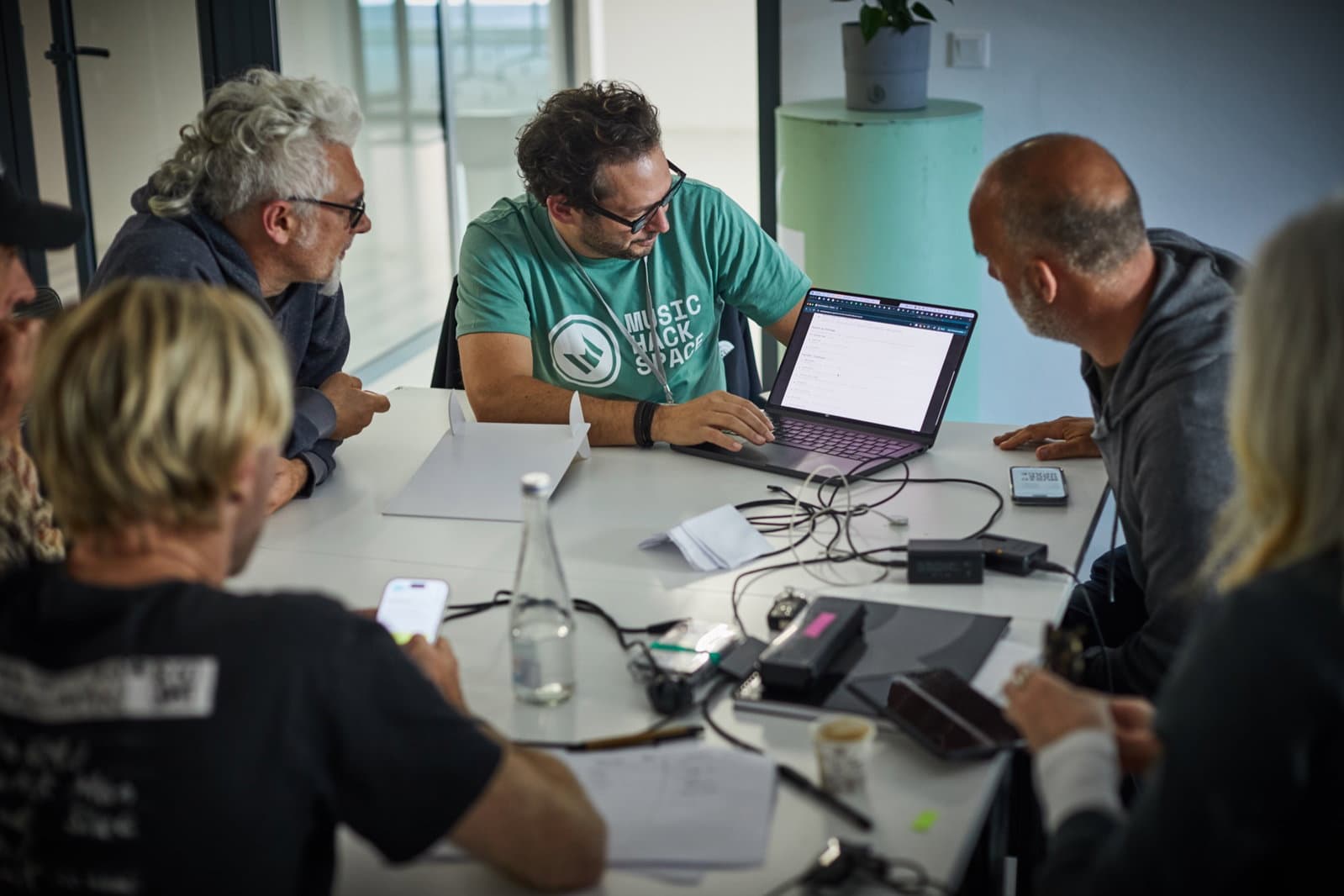
What Makes a Great Hack: How Jurors Choose Winning Projects
From the outside, hackathon judging can look like a black box. We open it up: the four criteria our jurors score, why demo polish is deliberately half-weighted, and how the winners really get chosen.
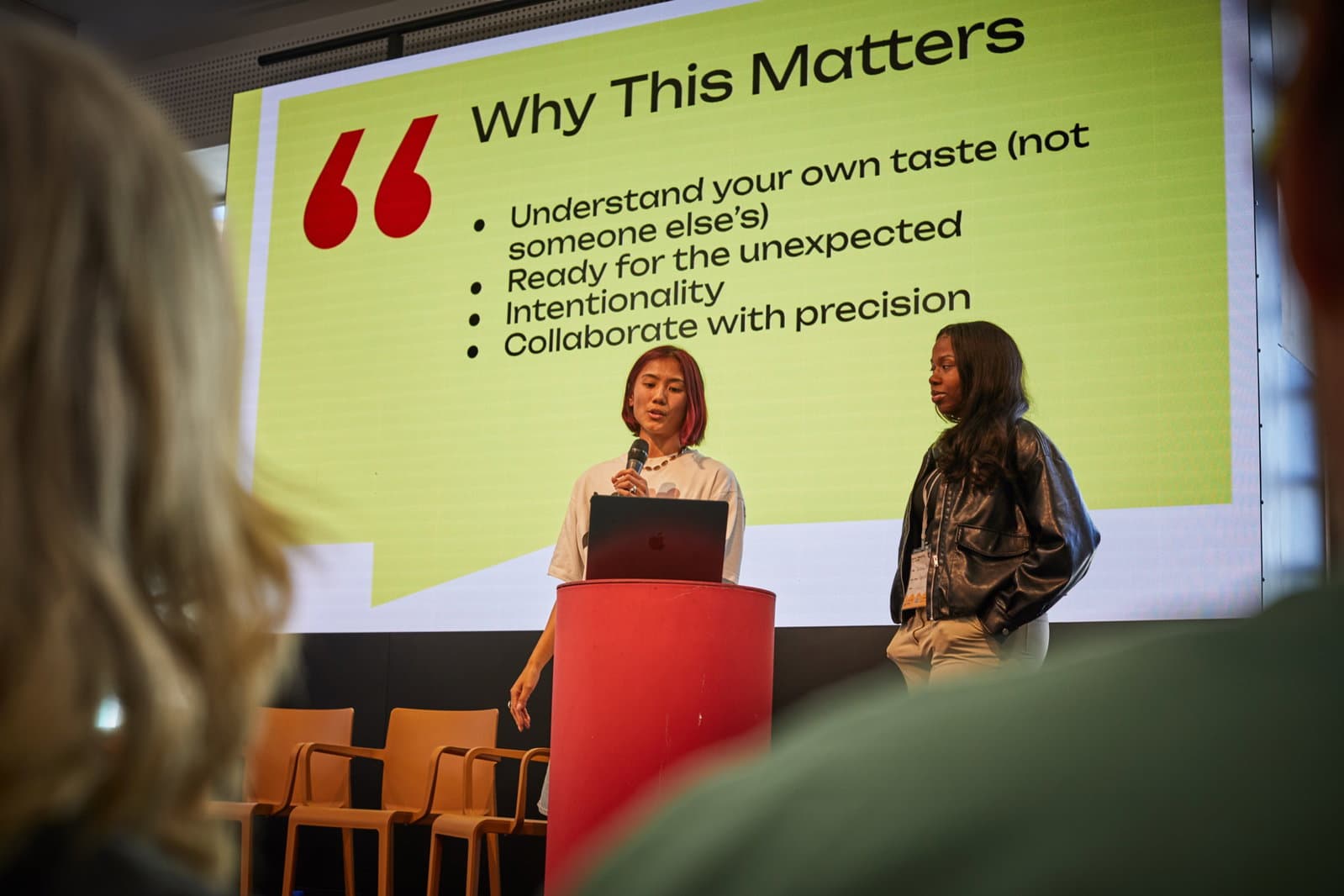
The 3-Minute Pitch: How to Win a Hackathon (and Any Room)
Pitching your hack is just as important as building it. Jack Sutton shares the golden rules for a winning 3-minute presentation, plus a proven industry framework for explaining any product clearly.
 Featured in Hypebot
Music Hackathons in the AI Era: Creativity now matters more than code
Writing in Hypebot, Hackspace founder JB Thiebaut explores how hackathons are moving away from technical showboating and toward people-first collaboration, creative discovery, and community.
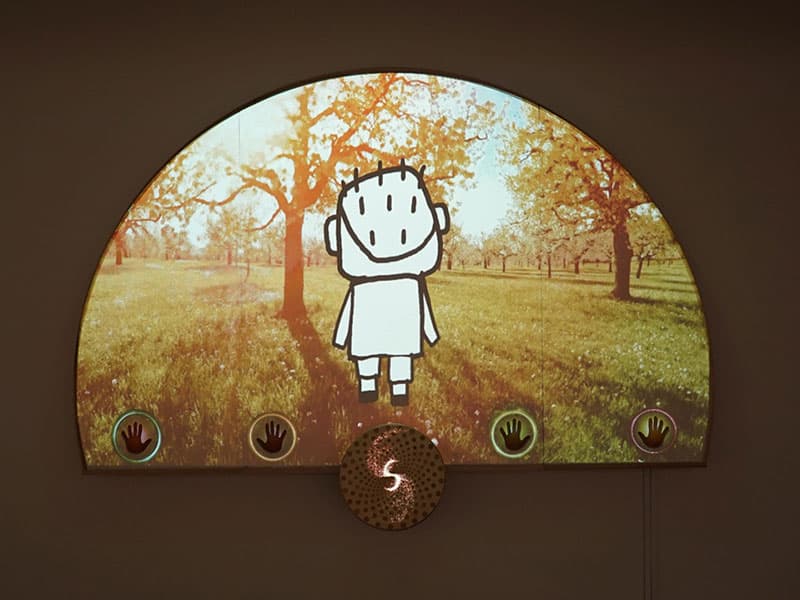
Kyle Duffield: Interaction Designer
"What the audience walks away feeling matters more than the tech behind it." We spoke with interaction designer Kyle Duffield about creating meaningful digital experiences, balancing technical innovation with human connection, and his design philosophy.

An Interview with Luke Plowden and Ruiyang Wang
We talk to London-based creative coders Luke Plowden and Ruiyang Wang about learning to code, what AI means for the future of code, and their upcoming Creative Coding 101 course.

An Interview with Lancelot Blanchard and Perry Naseck
A in-depth discussion with Lancelot Blanchard and Perry Naseck about their work with Jordan Rudess on AI music technology, bridging the gap between musicians and technology, and the future of generative AI in music.

Interview with Bileam Tschepe: TouchDesigner Expert
An illuminating interview with Bileam Tschepe, a Berlin-based TouchDesigner expert and visual programming specialist.

An introduction to Max
Max is the industry standard tool for audio-visual work. Yet many are confused by exactly what it is and its constituent parts. This article provides a simple overview and introduction to this powerful piece of software.
A Q&A with Max for Live expert Phelan Kane
We interviewed Max for Live expert Phelan Kane about his new Certified course with Music Hackspace.

Eduardo Pesole's top 10 tips for Wwise and Unreal Engine 5
As the course leader for our new Certified Courses program Master Game Audio with Wwise and Unreal Engine 5 we asked him to share his top 10 tips for Dolby Atmos mixing.
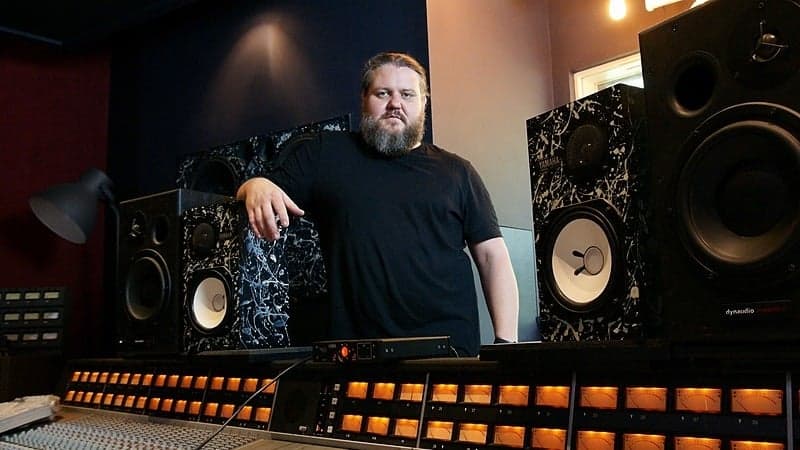
Hugh Neal's top 10 tips for Dolby Atmos mixing
Music Hackspace tutor Hugh Neal has 20 years of industry experience, having mixed at top London studios such as Abbey Road and Metropolis, working with renowned artists like James and Paul McCartney.
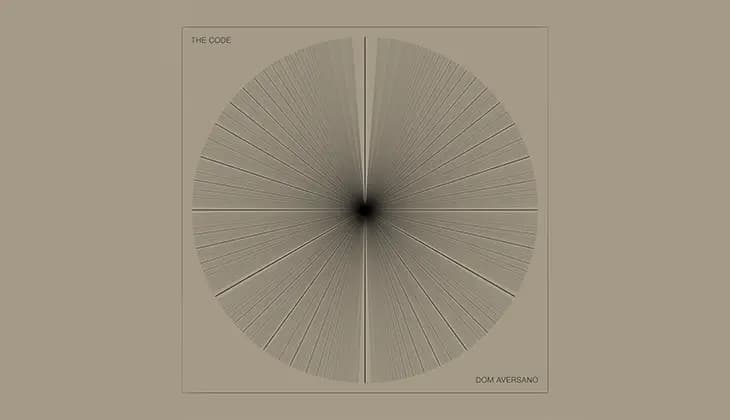
How an image led to an album
Curiosity takes you to new places. I arrived in such a place after contemplating what a highly complex polyrhythm might look like.

An interview with Interaction Designer Arthur Carabott Part II
Part II of an interview with Interaction Designer Arthur Carabott who worked on the Beatbox Pavilion for the 2012 London Olympic Games.

An interview with Interaction Designer Arthur Carabott Part I
An interview with interaction designer Arthur Carabott who describes how he came to work on the Olympics and how he ended up moving from London to LA.
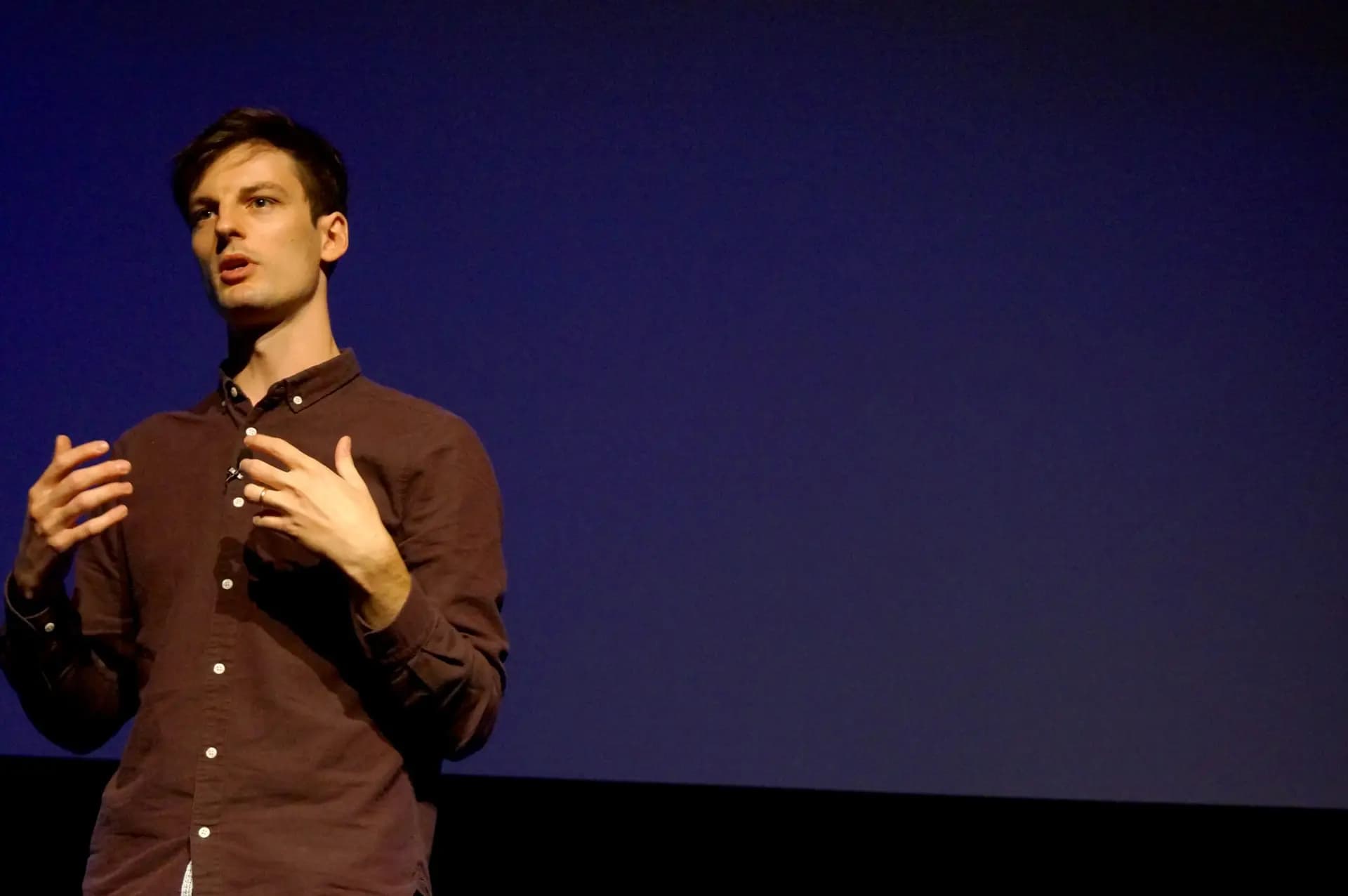
A Q&A with AI regulator Ed Newton-Rex
In November last year, Ed Newton-Rex, the head of audio at Stability AI, left the company citing a small but significant difference in his philosophy towards training large language models (LLMs).
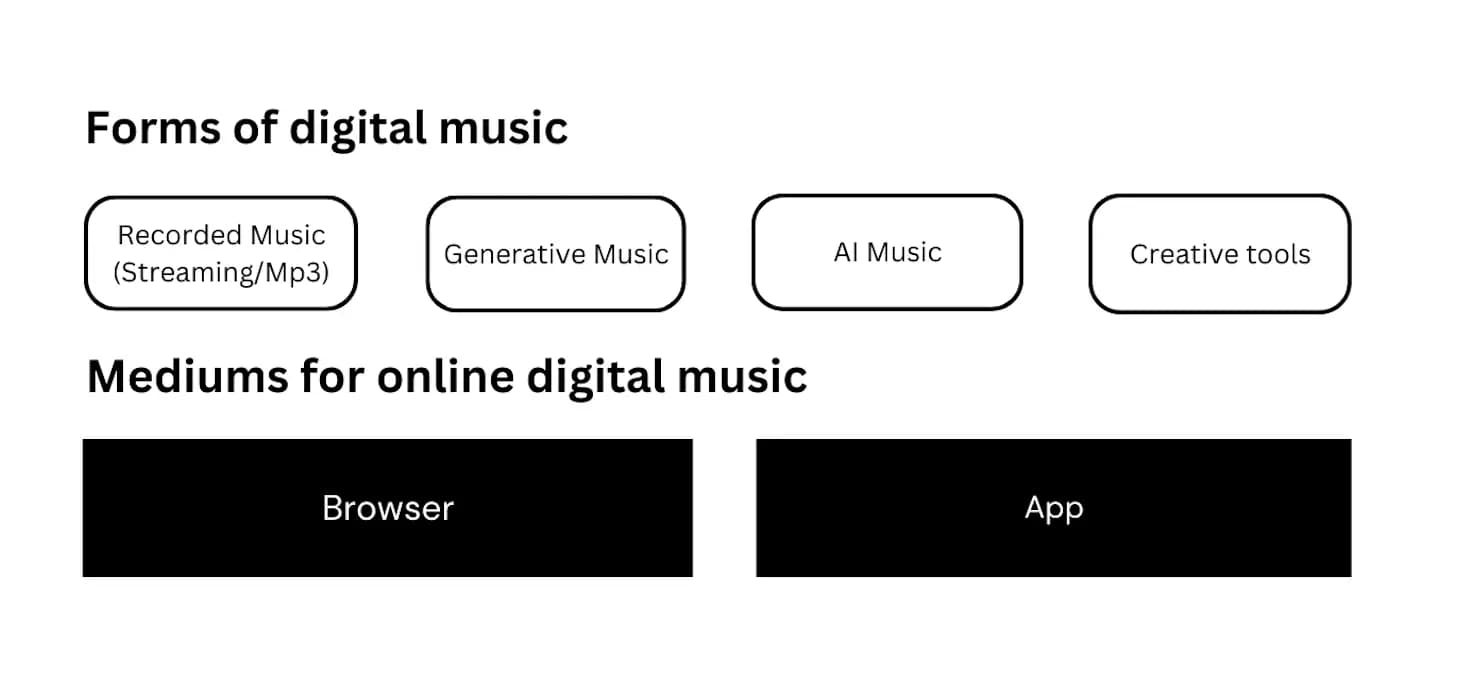
Music in the browser or app?
At some point, your inspirational idea for digital music will have to travel from the platonic realm of your thoughts, into either an app or browser. Unless you can luxuriate in doing both, this represents a stark choice.
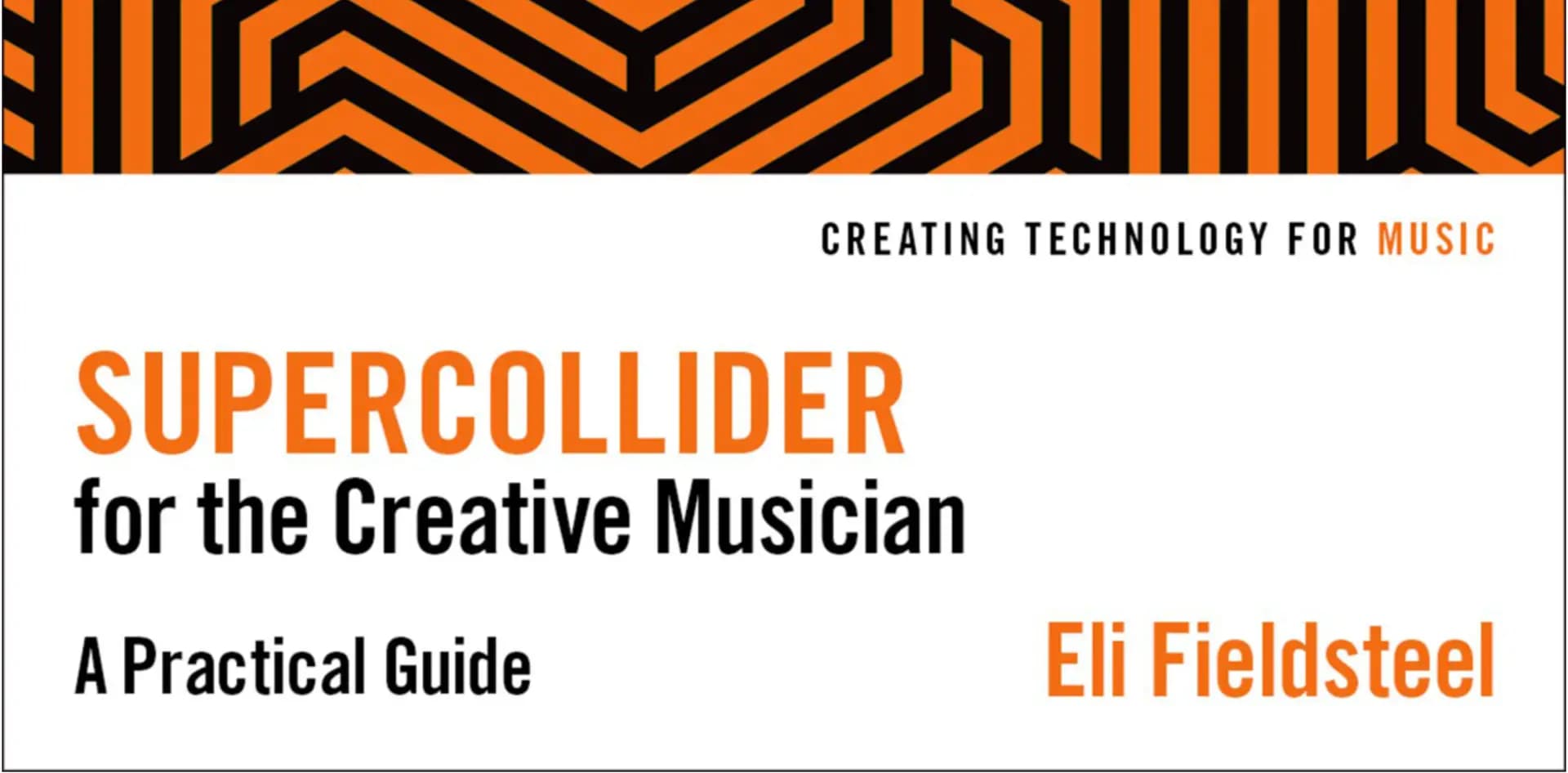
Book Review: Supercollider for the Creative Musician
A review of the book Supercollider for the Creative Musician written by composer and professor Eli Fieldsteel.
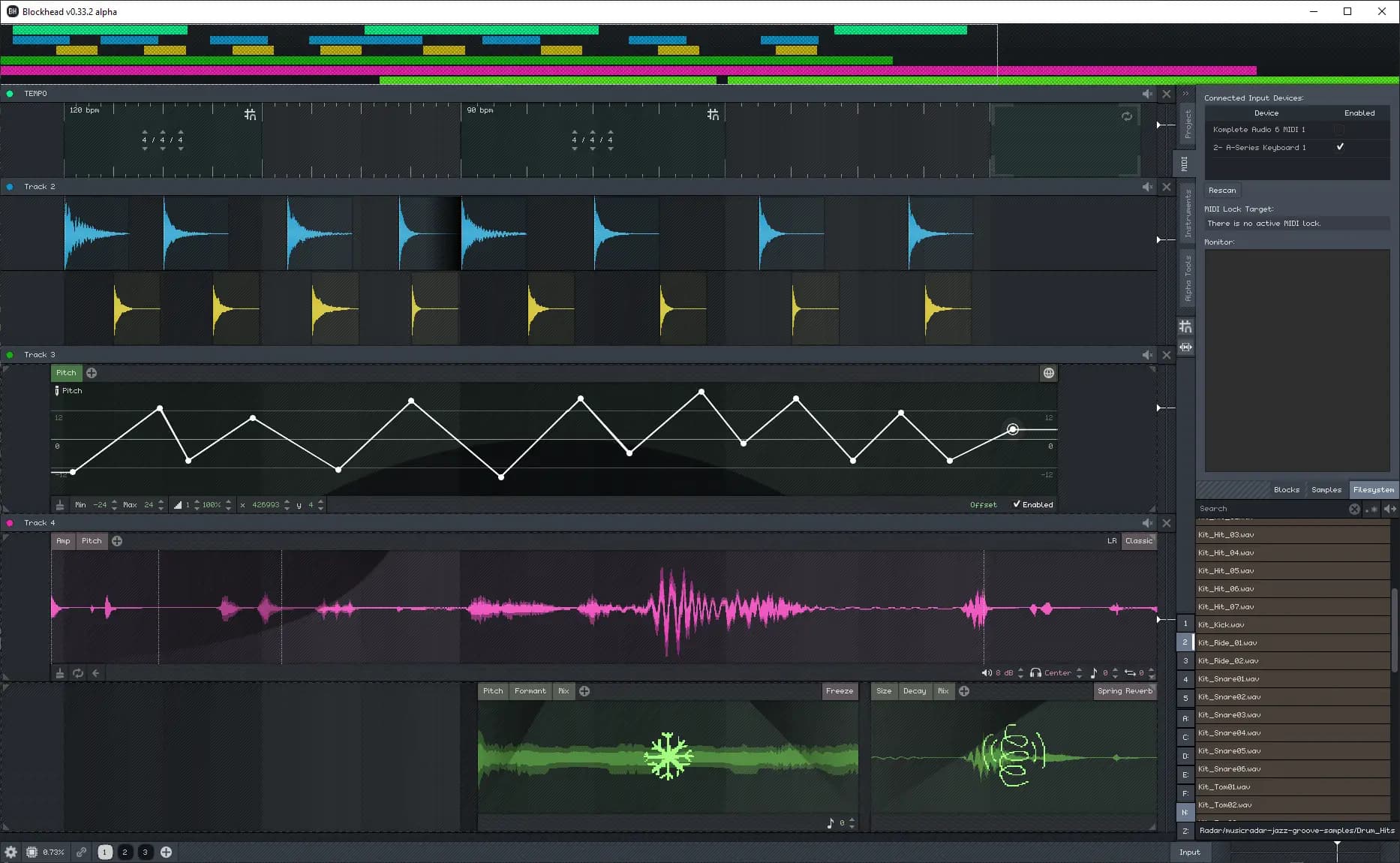
An interview with Blockhead creator Chris Penrose
An interview with Chris Penrose about his experimental audio workstation Blockhead.
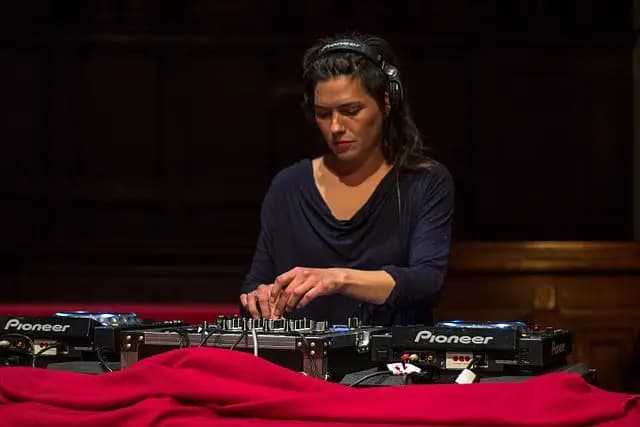
The persistence of misogyny in music technology
The British House of Commons Women and Equalities Committee released a report on misogyny in music that reached a stark conclusion for music technology.

Move slow and create things
Could LLMs help make computers less rigid and fixed, opening up the world of programming to anyone?