The 3-Minute Pitch: How to Win a Hackathon (and Any Room)
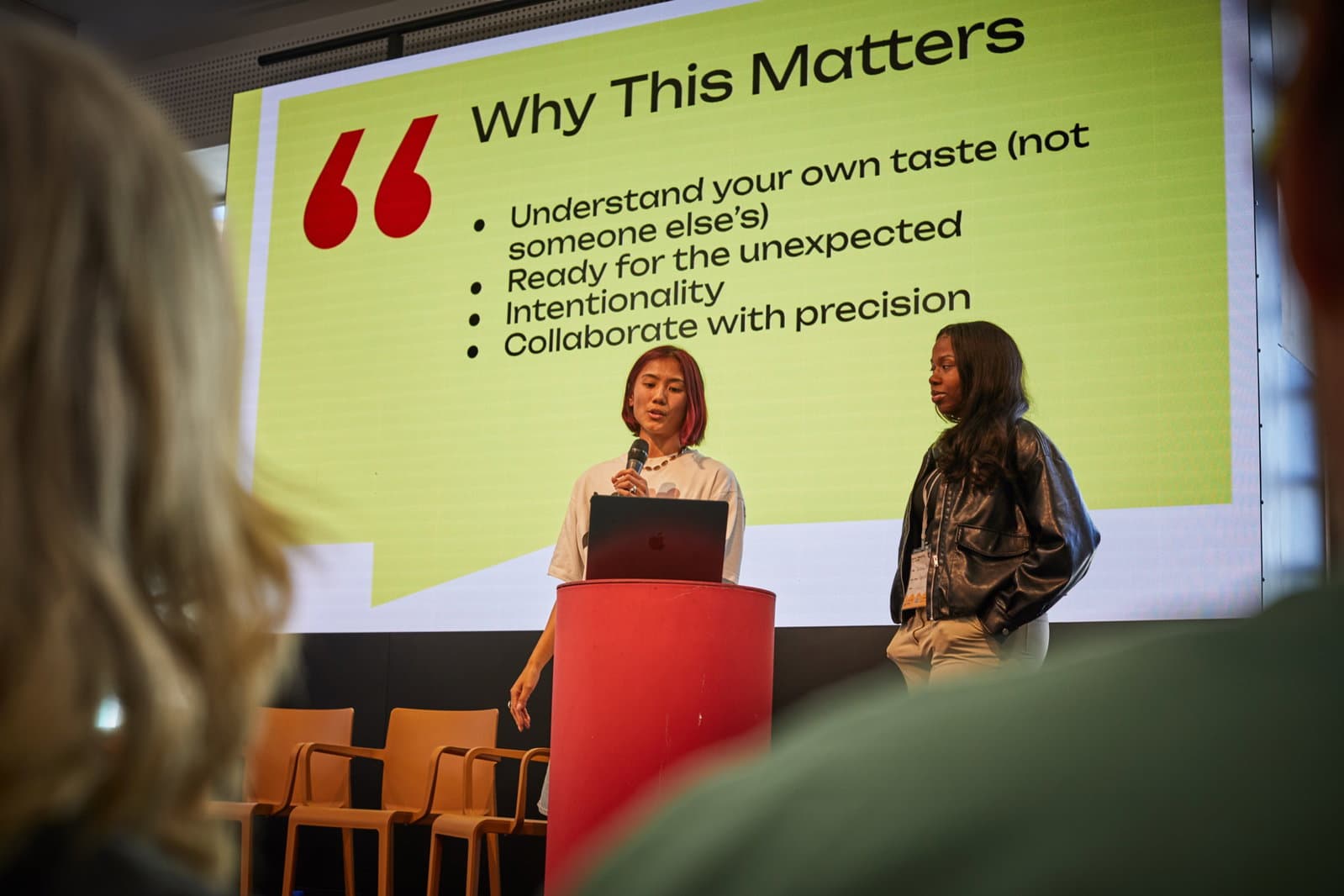
This advice was shared with all participants at Music Hackspace's recent hackathons in Boston and Lisbon. But while tailored to hackathon presentations, the advice is valuable to any coder or creator who needs to pitch their products to the world.
So you've built an amazing product. Sadly, that's not enough to win.
Pitching your hack is just as important as building it. You have just 3 minutes to present, alongside many other teams. If the judges don't understand the magic you've conjured up over the weekend, your project will be quickly forgotten.
We know that for many product builders, devs or music producers, marketing is the boring part. But it is essential — so here are some quick hints and tips to give you the best chance at winning.
The Golden Rules For Pitching
1. Choose your most clear and confident speaker(s)
It sounds obvious, but make sure to put your best voices forward! But remember, confidence does not always equal effectiveness if that means rambling about less impactful topics. Someone more shy but straight-to-the-point could be your best presenter.
2. Save time to create a great presentation
We recommend that one member of the team — ideally the presenter — takes around 2 hours of Sunday to create the strongest presentation possible.
We recommend you keep your presentation fun, light and memorable. That will help you stand out from the crowd.
3. Make your demo the hero — after a strong, succinct explanation
We need to understand what we're looking at or listening to. But once you've explained, it's better to awe the audience with a thrilling demo.
The demo can be a video. We're more interested in judging your game-changing ideas rather than finished products.
It's a music hack — so if it makes sense for your project, share some sound!
4. Test your audio and video before the presentation
You're welcome to test your presentation on the main stage during Sunday before the presentation begins. Please do this early to prevent any technical hiccups.
5. Avoid time-wasting on niche features
Beware of feature creep. The last feature you worked on — or maybe even your favourite feature — is unlikely to be the most important. Focus on the core value of your product.
6. Keep commercial viability in mind
We know creativity and business don't always mix. But many of our judges and music industry supporters will be looking out for apps with real-world, market applications. Help us see the potential, and you're more likely to win.
How to frame your product: An industry tip
Communication is more of an art than a science. But after more than a decade marketing in the music tech industry, I've come to treat the below framework as an essential guideline and cheat-sheet for marketing and selling. I find it's an easy way to explain any product effectively.
Sketching the framework out for your product is a valuable exercise. It should help you present your idea more effectively:
If you can only say one thing about your product, choose the top of the pyramid. Start there for your presentation, and move down the pyramid.
When sharing features, only focus and demo those that contribute to the elevator pitch and emotional hook you set out from the start. In 3 minutes, you probably won't even have the time — or a good enough reason — to discuss those points on the bottom of the pyramid.
Join us at the next hackathon
Music Technology Hackathon — Montreal, August 2026. Apply these tips in person.