Blog
 Featured in Hypebot
Music Hackathons in the AI Era: Creativity now matters more than code
Writing in Hypebot, Hackspace founder JB Thiebaut explores how hackathons are moving away from technical showboating and toward people-first collaboration, creative discovery, and community.
An Interview with Luke Plowden and Ruiyang Wang
We talk to London-based creative coders Luke Plowden and Ruiyang Wang about learning to code, what AI means for the future of code, and their upcoming Creative Coding 101 course.

An Interview with Lancelot Blanchard and Perry Naseck
A in-depth discussion with Lancelot Blanchard and Perry Naseck about their work with Jordan Rudess on AI music technology, bridging the gap between musicians and technology, and the future of generative AI in music.
An interview with Interaction Designer Arthur Carabott Part II
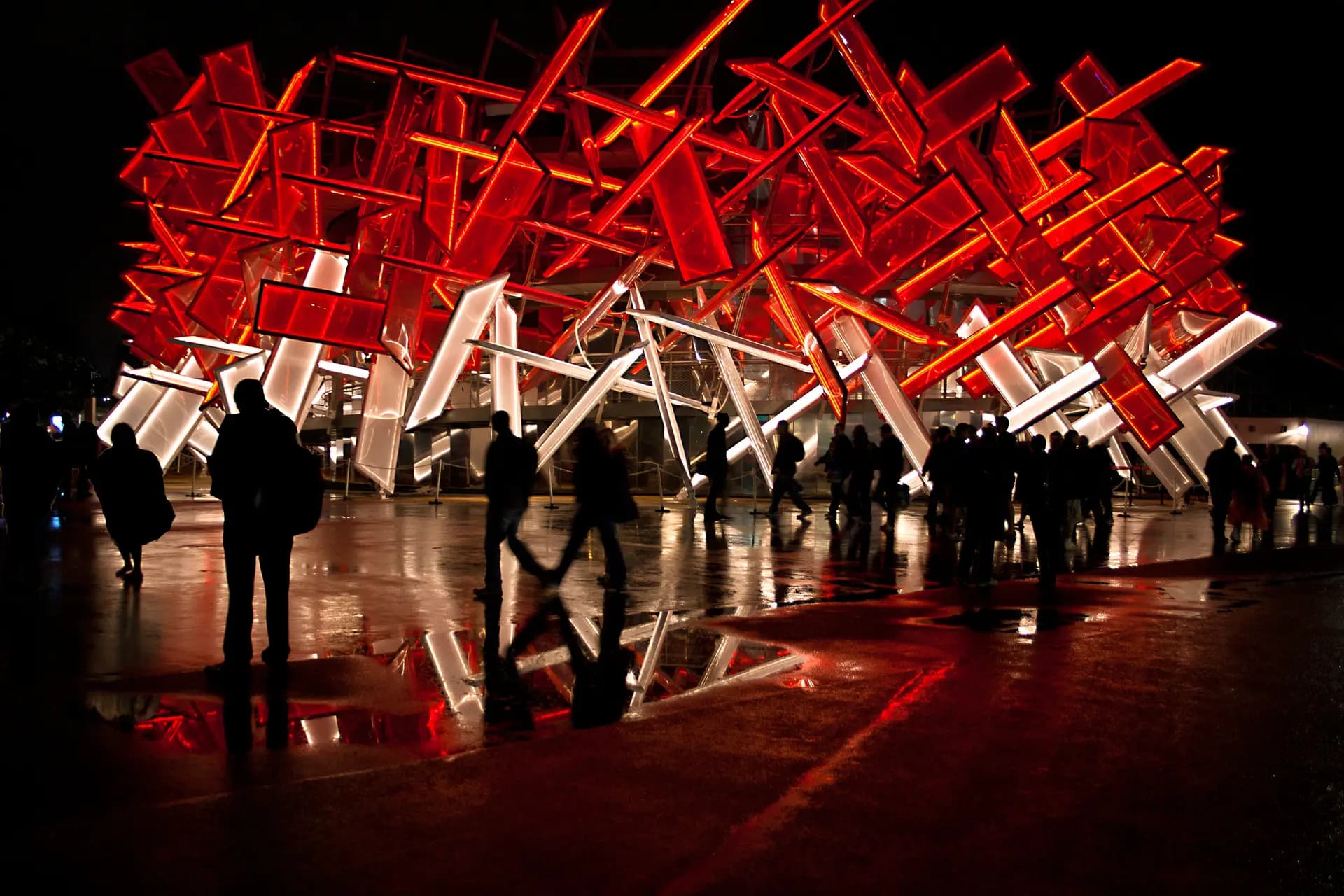
Part II of an interview with Interaction Designer Arthur Carabott who worked on the Beatbox Pavilion for the 2012 London Olympic Games.
A Q&A with AI regulator Ed Newton-Rex
In November last year, Ed Newton-Rex, the head of audio at Stability AI, left the company citing a small but significant difference in his philosophy towards training large language models (LLMs).
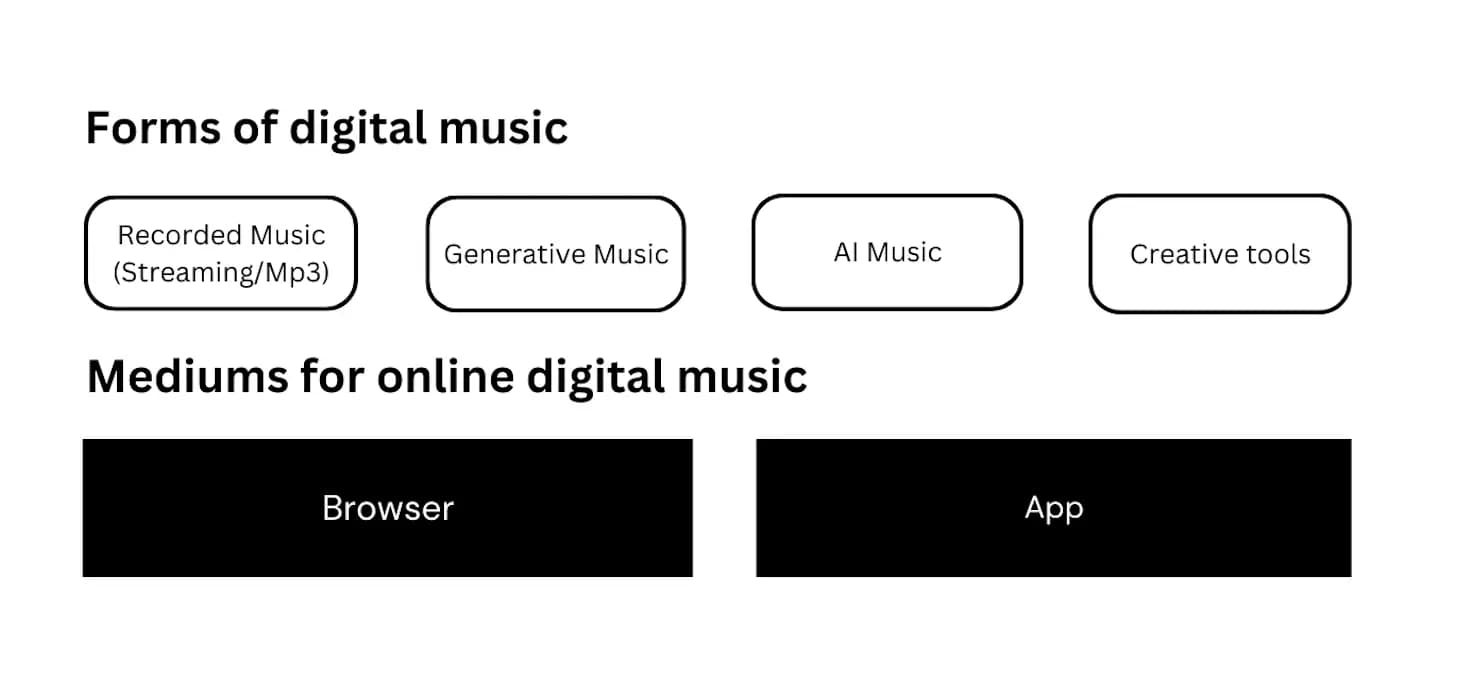
Music in the browser or app?
At some point, your inspirational idea for digital music will have to travel from the platonic realm of your thoughts, into either an app or browser. Unless you can luxuriate in doing both, this represents a stark choice.
Move slow and create things
Could LLMs help make computers less rigid and fixed, opening up the world of programming to anyone?
Should fair use allow AI to be trained on copyrighted music?
Ed Newton-Rex brought the ethics of AI into focus when he resigned from his role in the Audio team at Stability AI, citing a disagreement with the fair use argument used by his ex-employer to justify training its generative AI models on copyrighted works.
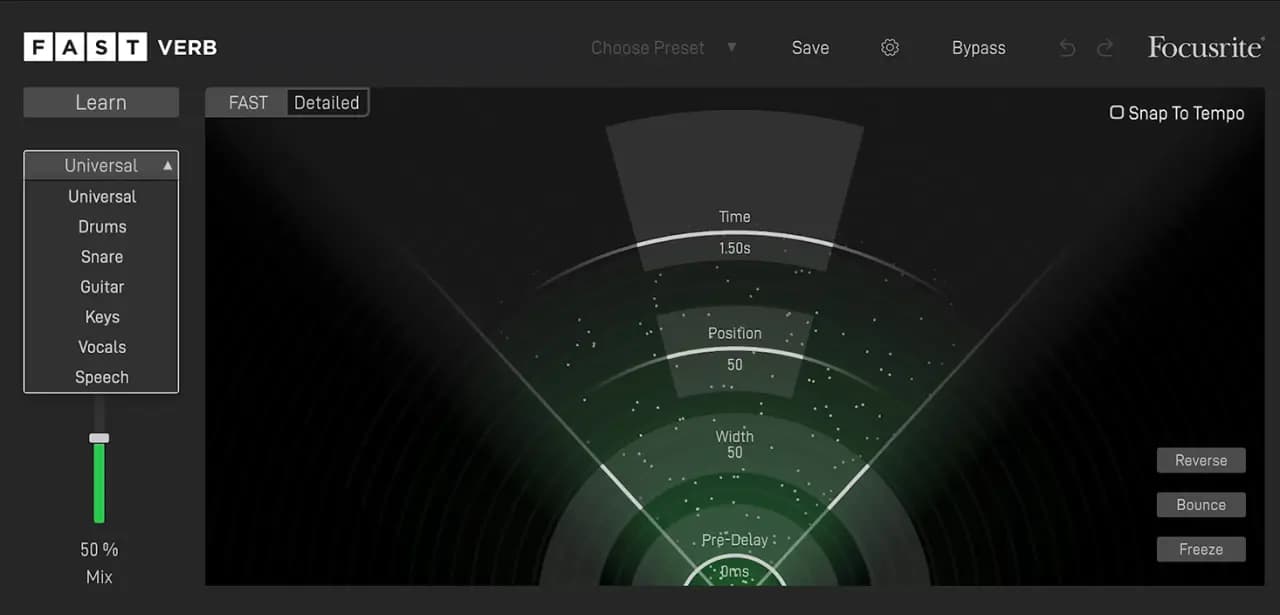
Can AI help us make humane and imaginative music?
We review Google’s Tone Transfer, Focusrite’s Fastverb and LANDR to explore this question in more detail.
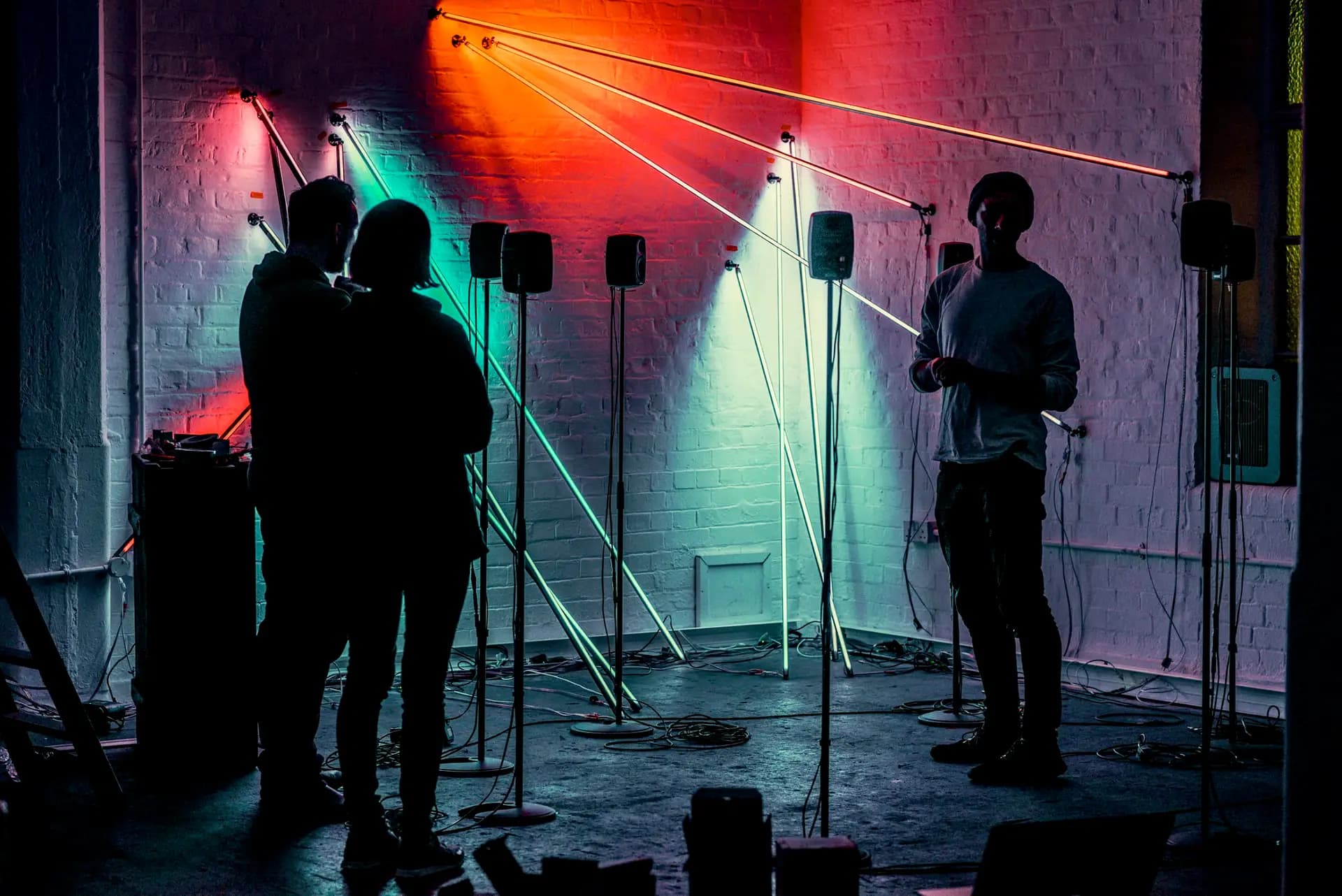
How to design a music installation – an interview with Tim Murray-Browne (part 2)
How to design a music installation – an interview with Tim Murray-Browne (part 2) In the first part of this interview, artist Tim Murray-Browne discussed his approach to creating interactive …
Strategies experts use to learn programming languages
Is learning by doing the right way for you, or do you prefer to read about the theory first? There’s no right or wrong, you just have to try different approaches and find one that works for you. Learning a programming language is not inherently hard: if you’ve learned to play an instrument, that’s likely harder!
On the future of music: an interview with composer Robert Thomas (part 2)
This is part 2 of an interview with composer Robert Thomas. The first part you can read here. Q. I associate you with Pure Data. Is it still your primary …
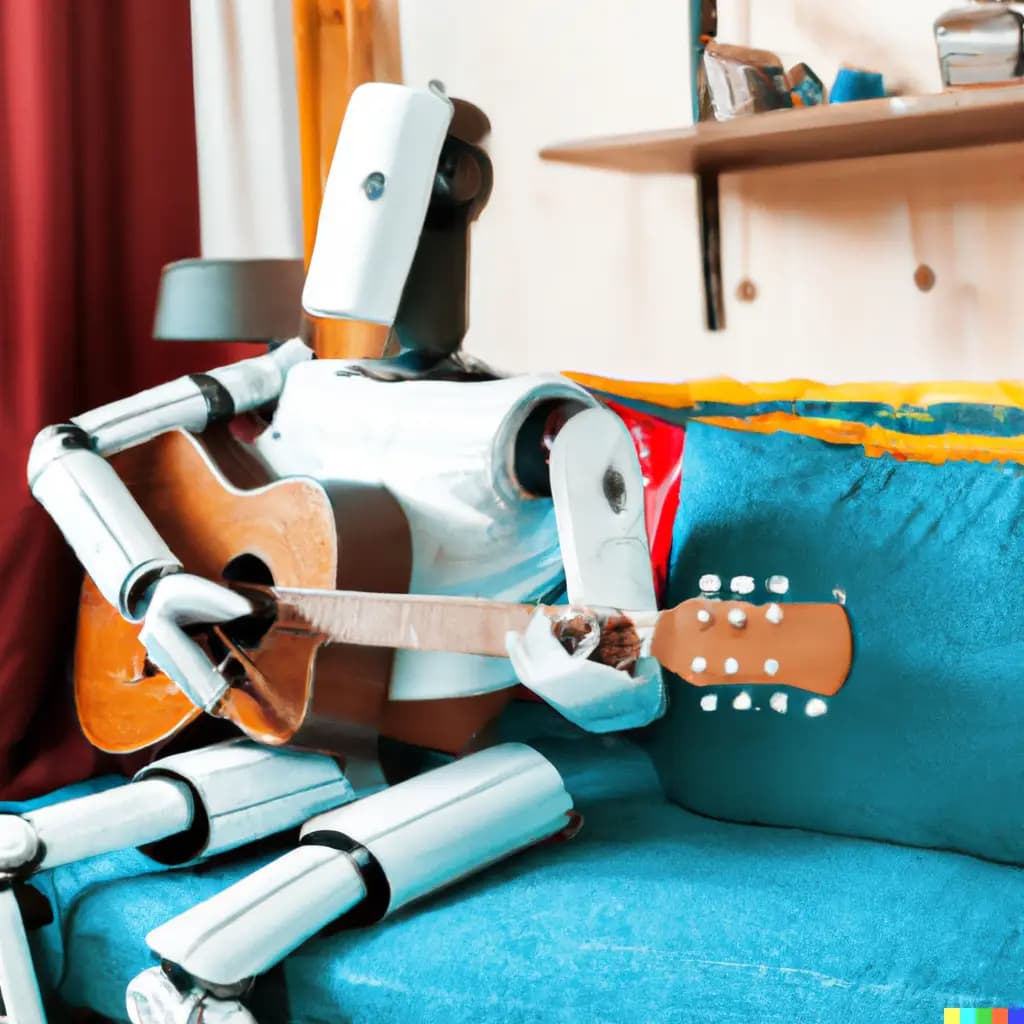
The Top 5 AI Tools for Music Production
Discover the top 5 AI tools for music production, revolutionizing the industry with enhanced creativity, efficiency, and convenience. Master your tracks, create unique soundtracks, and more!
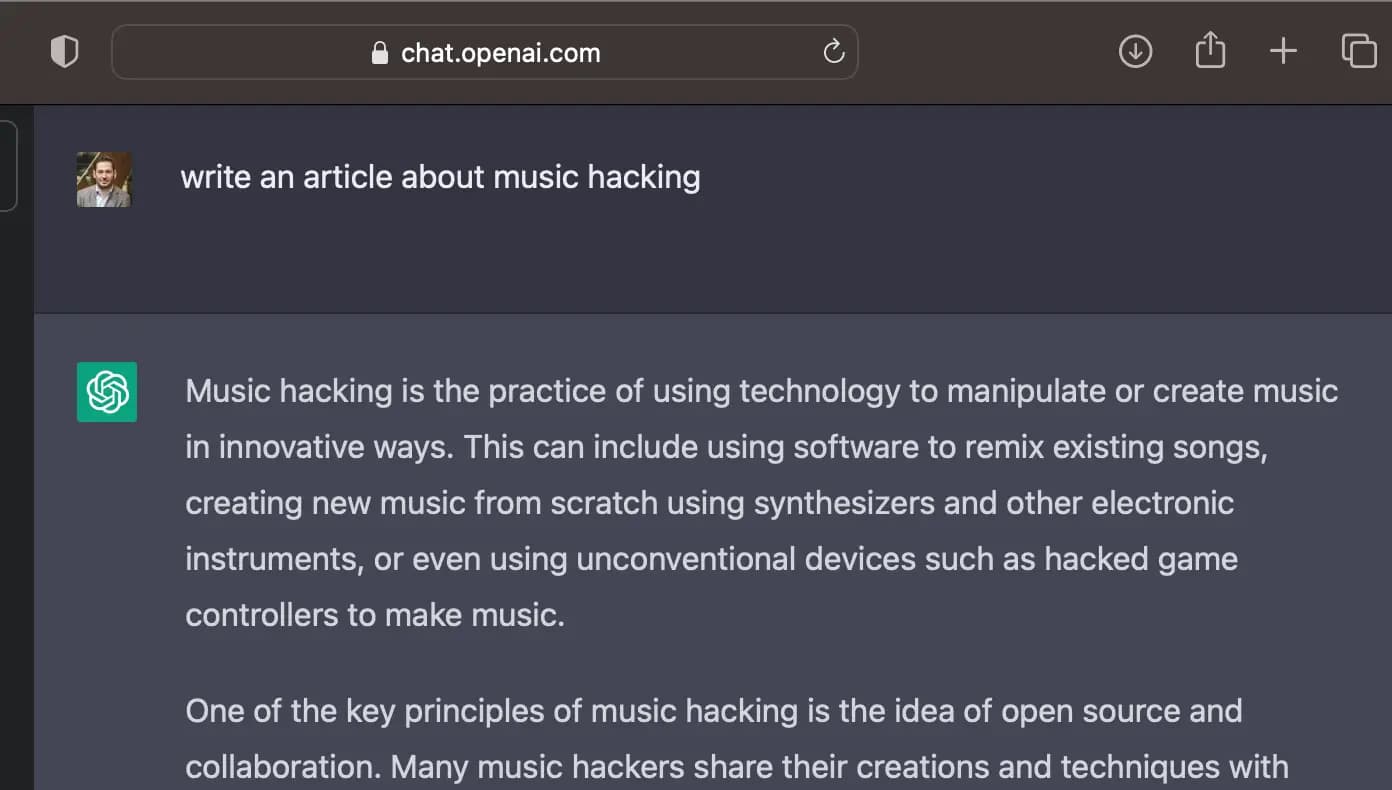
What is Music Hacking? We've asked ChatGPT
Much is said about OpenAI’s ChatGPT tool, the conversational AI search engine. You can ask it to write an FM synthesiser embedded in a web page, or a conversation between the …
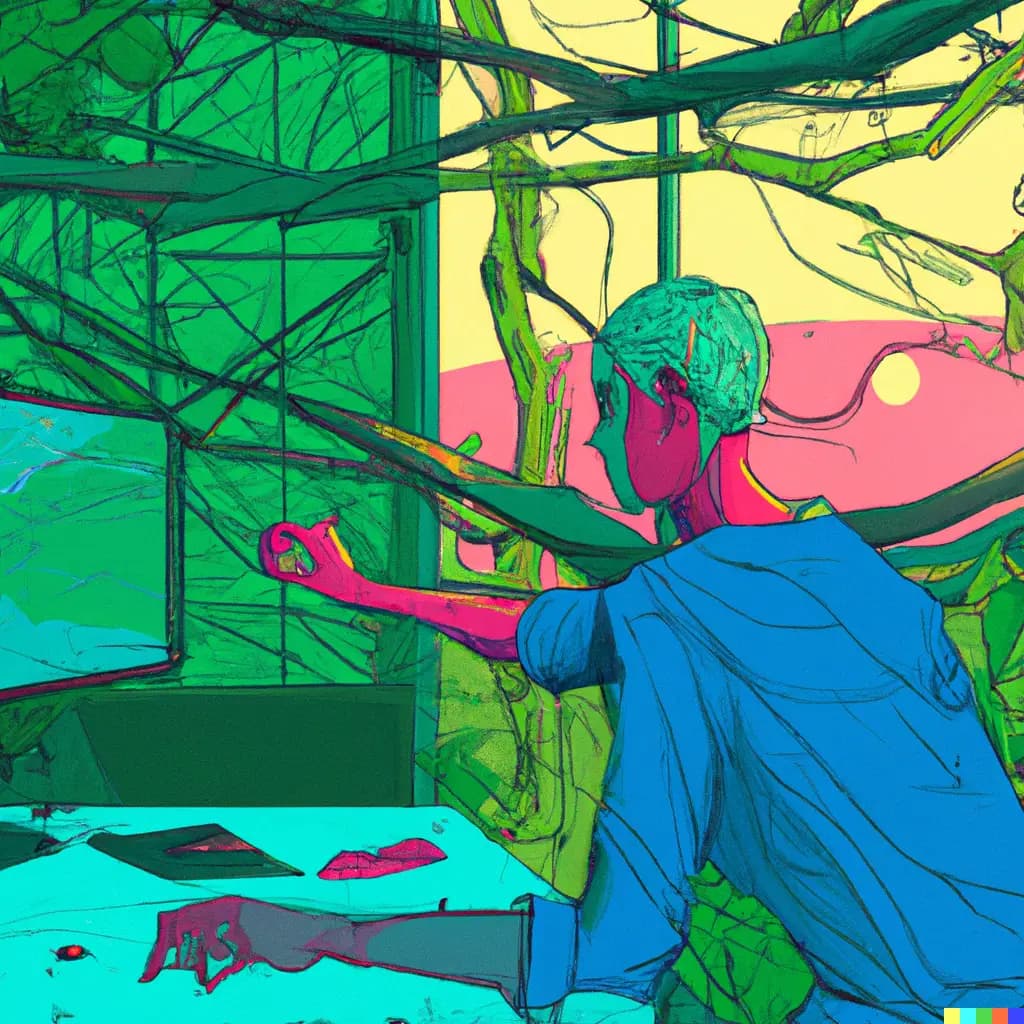
AI for Music and Visual Art
In its current, sophisticated form, Artificial Intelligence Art uses the vast quantity of images and knowledge available to recreate scenes that have never existed, using only a prompt that describes …
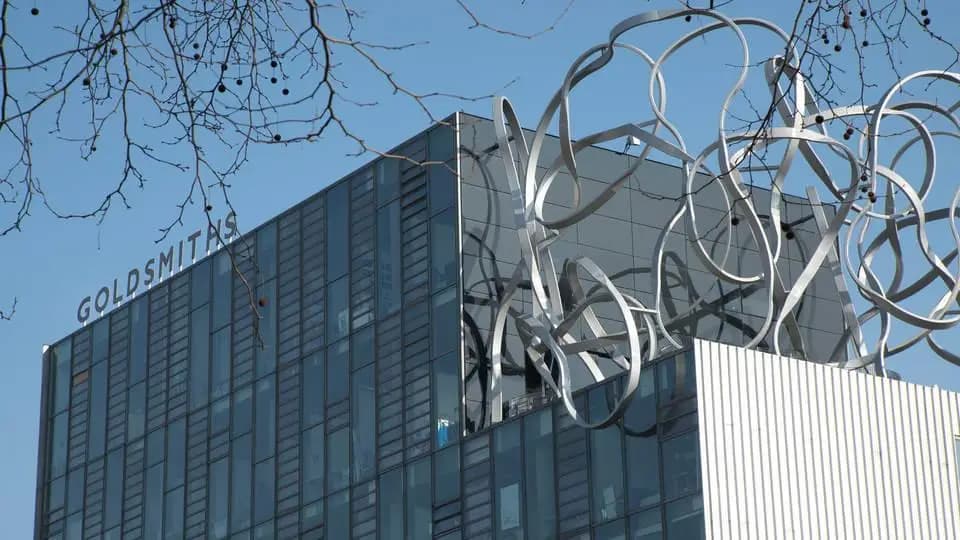
The Music Hackspace has a new home!
Our residency at Somerset House ended in 2019, and we’ve found a new home at Goldsmiths University. I (JB Thiebaut) am now a research fellow in the computing department, where …