Music Technology Hackathon: Build the Future of Creative Tools
Date: 22–23 August 2026
Location: PHI, 407 Rue Saint-Pierre, Montréal, QC H2Y 2M3, Canada

✅ This event has wrapped — thank you to everyone who took part!





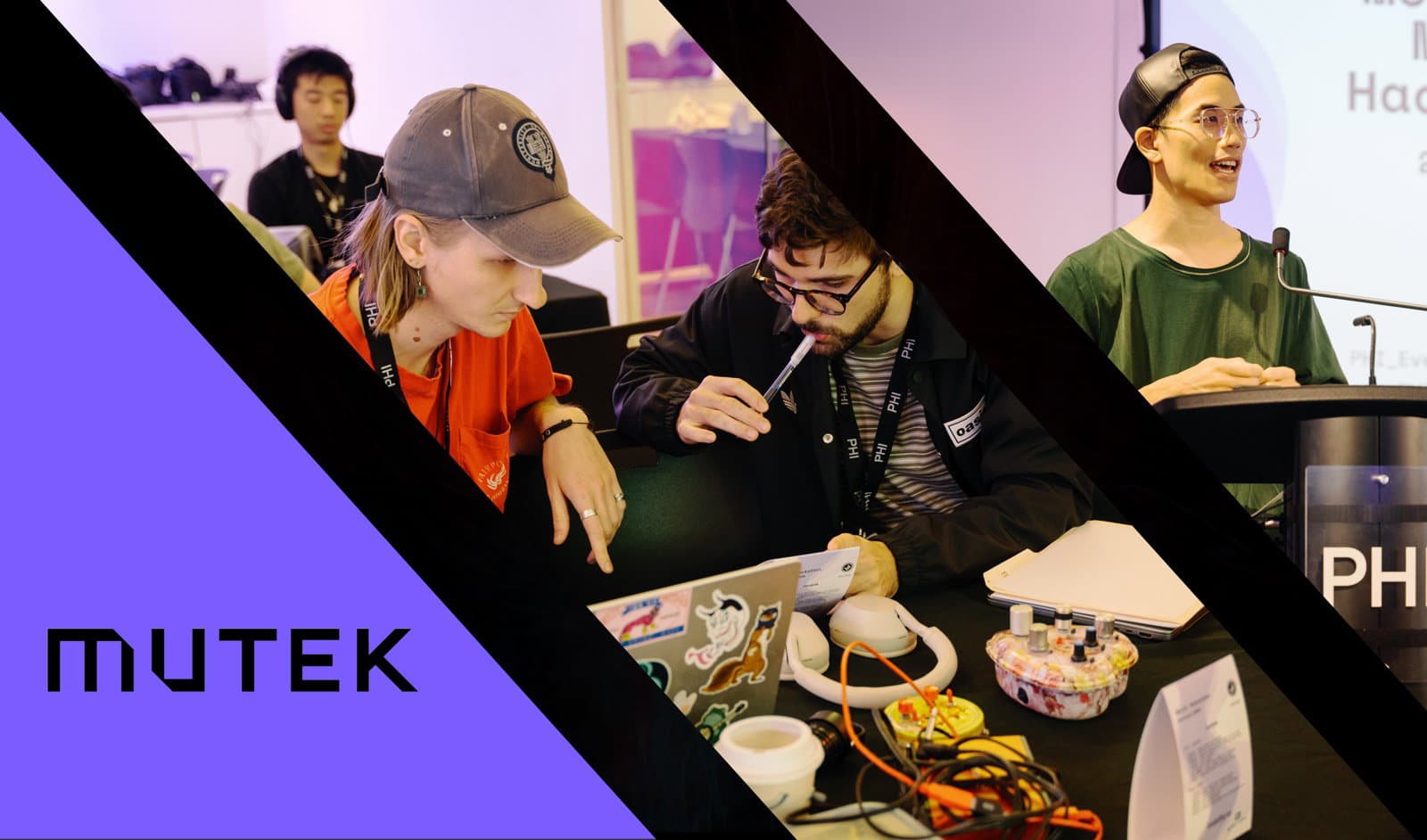
🏆 Winners
Congratulations to every team that built and presented at Montreal 2026 — and to our winners, chosen by the jury. Top three in each challenge track below.
Andrew Huang
Stability AI
- 🥇StableGroove Real-Time AI Drum Machine — AI sample generation without breaking the rhythm
- 🥈Unstable DAW — Dylan Ho’s project
- 🥉Jam Buddy — JAM BUDDY
Roland — Project LYDIA
- 🥇Interface for playing the latent space — N oi s e
- 🥈HRNSXTN x RDMSXN — T.H.I.R.I. – Musical Agentic Ecosystem
- 🥉DePicklefy — DePicklefy
MuseHub
- 🥇SynthFlow — Tony Sun’s project
- 🥈DePicklefy — DePicklefy
- 🥉lpX — Anthony Hong’s project
Elk Audio
- 🥇HRNSXTN x RDMSXN — T.H.I.R.I. – Musical Agentic Ecosystem
- 🥈DePicklefy — DePicklefy
- 🥉UPES - Universal Plugin Eco-System — Felix Menard / Creative Plugin collection
All Participants
To respect participants' privacy, the full participant directory is only visible to people who registered for this hackathon.
If you took part, you can browse everyone's profiles, search by skill, and message teammates from your hackathon dashboard.
View participants →Please note: this hackathon is complete. Join another
Join us in Montreal for a 2-day, hands-on music technology hackathon, in partnership with MUTEK.
For this edition, musician, YouTuber, and creative-tools builder Andrew Huang joins us as a guest juror with a challenge for the event, with sponsor-led challenges running alongside — see the challenges below to pick the direction that fits your team best.
Over two intense days, developers, artists, researchers, product thinkers, and sound obsessives come together to prototype new tools for music creation, performance and listening. Come with an idea or form a team on site — we'll help match you into a small group with a blend of skills, and mentors from Music Hackspace and our partners will support you throughout, all set against the backdrop of Montreal's world-class electronic music and digital arts scene. All levels welcome; participation is open to adults aged 18+ only.
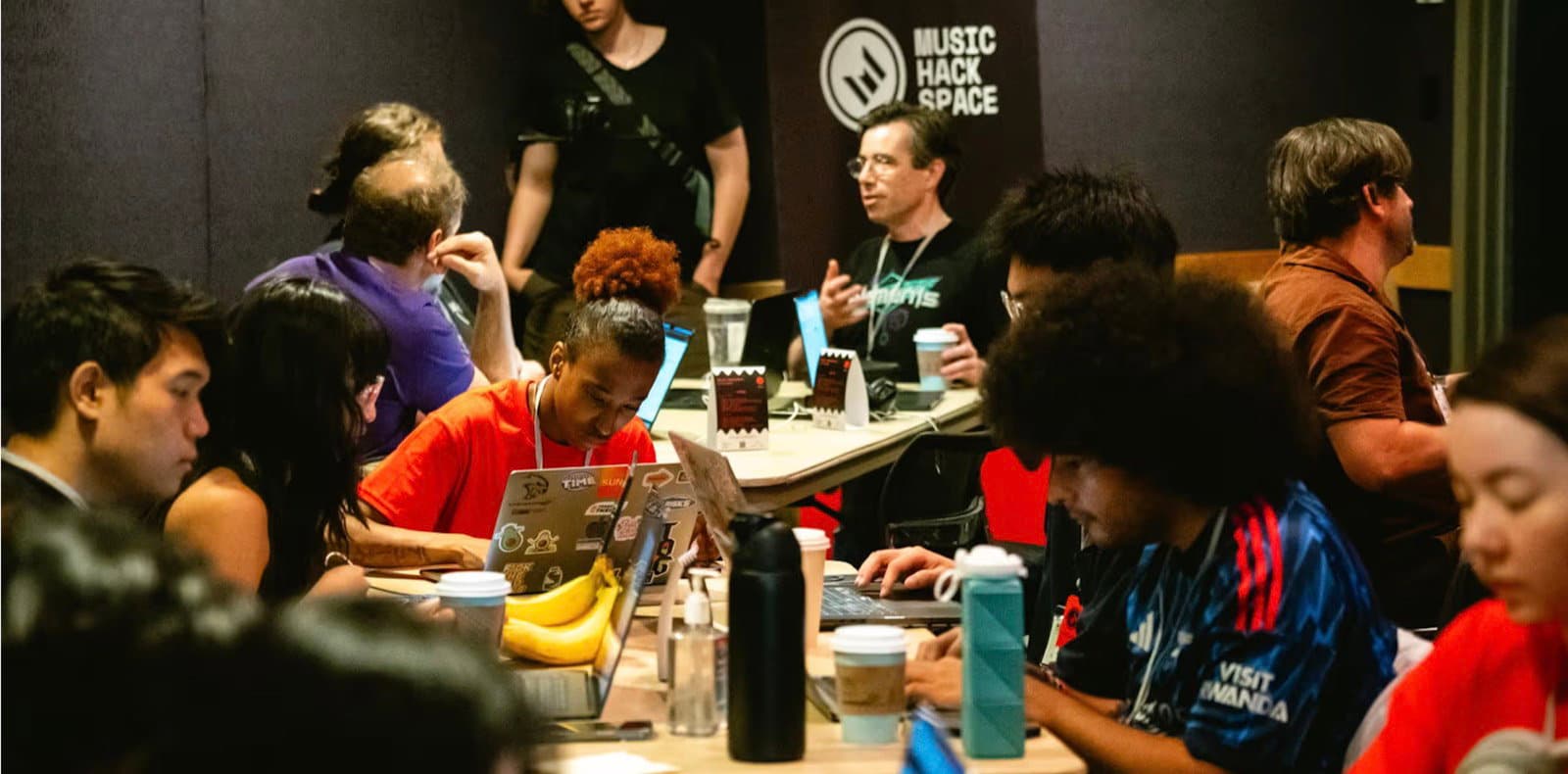
This Hackathon needs you
The hackathon is open to the wider Montreal and international music technology community. You don't need prior hackathon experience, only curiosity and a willingness to collaborate.
- Producers, performers, and composers looking to prototype new tools and workflows
- Audio and music technologists
- Students and researchers in music, CS, and related fields
- Designers, product managers, and UX researchers
- Electronic musicians and artists excited by the intersection of tech and culture
- Anyone excited about building tools for music
You don't need to code to be central to a team. We're explicitly looking for musicians and artists to act as creative leads, defining problems, curating sounds and workflows, and guiding the product vision.
We'll help you find a team that matches your interests and skills so you can focus on building something meaningful over the weekend.
Challenges
Andrew Huang Challenge
Navigating Chaos
More than ever, music production involves chaos and chance. As producers we make mudpies and scroll presets. We use effects and sounds in ways that are far beyond their intended purposes. We dig through our old ideas and see if they match with new ones. More and more plugins are shipping with one if not multiple randomization buttons.
The technology we have makes it easy to try far more — and far more extreme — ideas than ever before. This leads to long processes of exploration to produce raw materials and possibilities that we then refine with our taste and skill based on the needs of our projects.
But these processes can also involve a lot of admin — editing, sorting, tagging, importing, exporting, navigating. In that moment in a session where you need a certain type of sound or a jolt of inspiration, you don't want to stop the creative flow to go hunting through folders.
Some ideas and thought starters:
- Batch export of multiple DAW projects at once, full bounces and/or stems and intelligently selected loops and one shots.
- Automatic identification and tagging of audio content, and surfacing the right things when they are needed (mood / tempo / instrument / frequency range / role in arrangement…)
- Humans can only audition one thing at a time. A machine could find multiple candidates — even for multiple purposes within a project — and automatically bring them into your DAW session.
- Design expansive controls: Could we browse by how much a sound contrasts with what is already in our session? Beyond parameters like BPM and key, could we filter by density, fluidity, sharpness of transients, amount of reverberation? Could we pair this with automatic effect chain building that brings sound candidates closer to what we are searching for in our track?
Stability AI Challenge
Build a community-facing project for musicians using Stable Audio 3
What teams can build
How to Get Started
Roland Challenge — Project LYDIA
Presented by Roland Future Design Lab and Neutone.

Design the future with Project LYDIA
What teams can build
How to Get Started
MuseHub Challenge
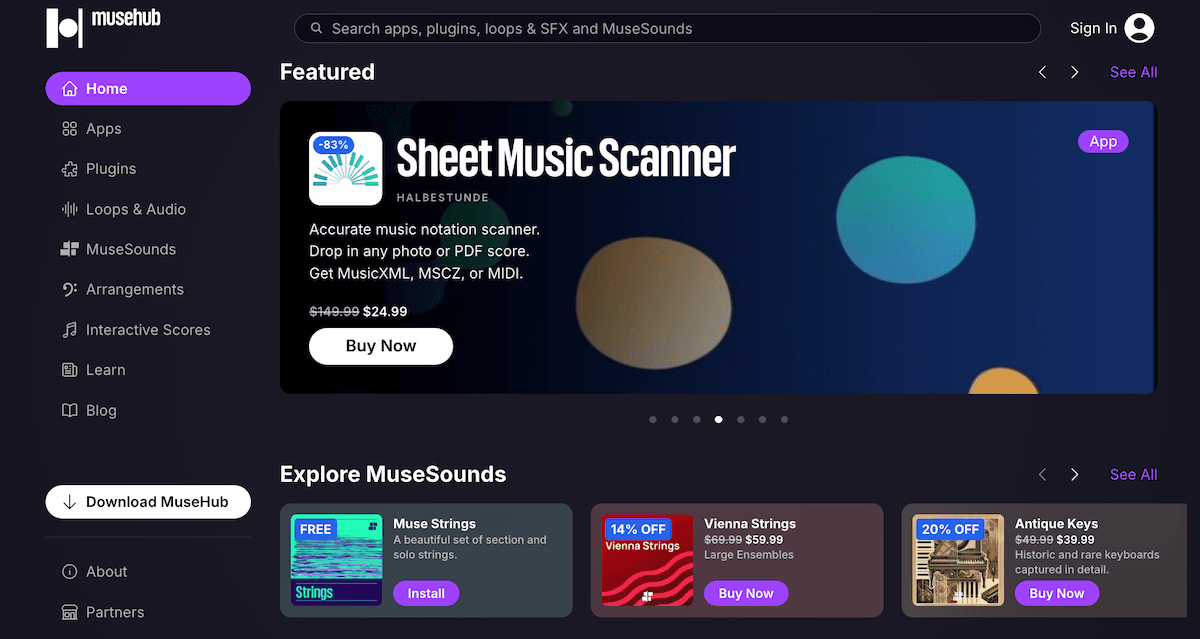
Build a creative music product that could launch on MuseHub
What teams can build
How to Get Started
Elk Audio Challenge
Unplugged
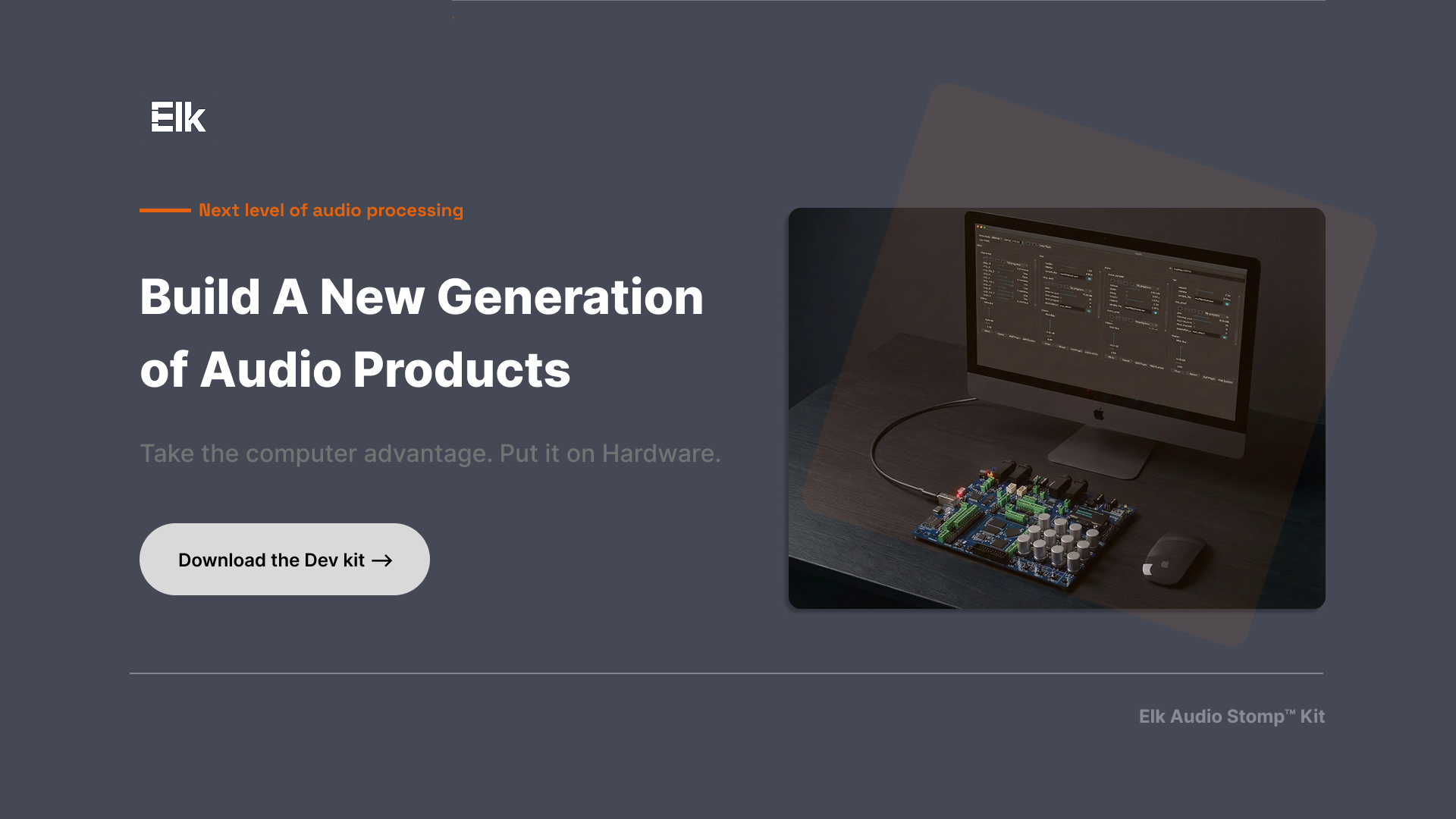
Build the hardware version of Andrew's challenge
What teams can build
How to Get Started
Prizes & Opportunities
Main Prize: Present at the MUTEK Festival
The winning team will be invited to present their work at the MUTEK festival, one of the world's leading festivals for digital creativity and electronic music. This is a rare opportunity to showcase your creation in front of an international audience of artists, technologists, and music industry professionals.
LANDR: Studio Pro for winners, Essentials for everyone
Thanks to LANDR, every participant gets 3 months of LANDR Essentials, and each member of a winning team gets 1 year of LANDR Studio Pro — mastering, distribution, samples and plugins. We'll share redemption codes at the event.
Roland: Cloud Ultimate for the winning challenge team
Each member of the team that wins the Roland Future Design Lab Project LYDIA challenge receives 1 year of Roland Cloud Ultimate (a $199 USD value each) — the full library of Roland instruments and effects.
Recognition & Showcases
A jury including representatives from Music Hackspace and industry partners will select standout projects to highlight. Selected teams may be invited to share their work in follow-up showcases, talks, or blog features.
Pathways Beyond the Weekend
The goal is not just a weekend demo, but to help promising ideas move toward real-world impact—whether as research tools, open-source projects, or commercial products. We'll share opportunities for continuing your work with the broader Music Hackspace community.
Mentoring
Winning teams can receive two mentoring sessions with one of our mentors, to help refine your project and next steps after the hackathon.
Jury
We're excited to welcome Andrew Huang, JB Thiebaut, Vincent Lemieux, Justine Reverdell, Zack Zukowski, Daniel Rowland, and Taichi Kumon to the jury panel, where they'll evaluate projects across creativity, technical execution, and real-world product potential. More jurors to follow.
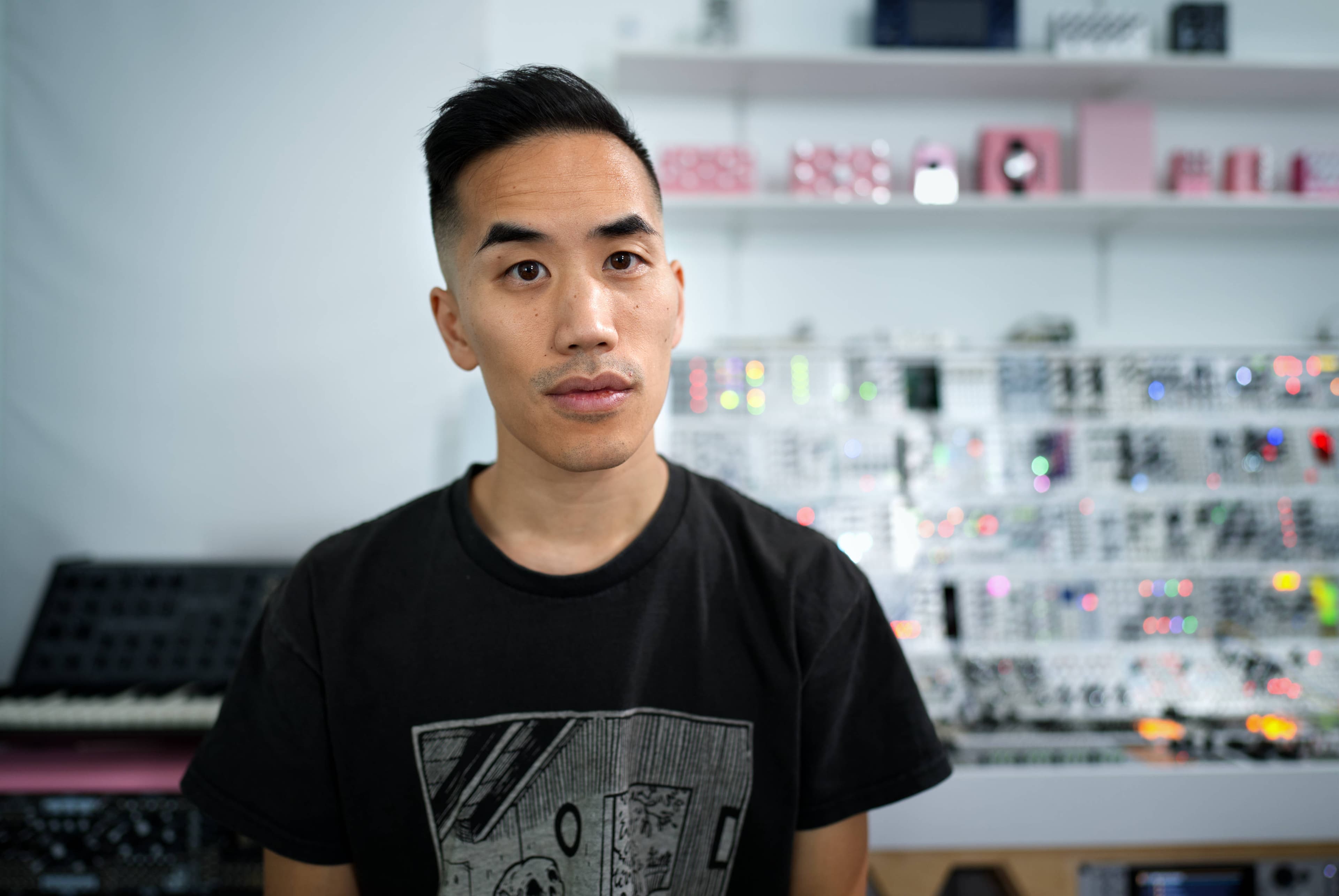
Andrew Huang
Andrew Huang is a musician, video creator, and bestselling author who experiments with unique approaches to making music. He's best known for sharing his ideas and processes on YouTube, where he's amassed over 2 million subscribers. His other work includes scoring commercials, designing music software and hardware, and an eclectic discography spanning everything from rock to rap to electronic to classical.
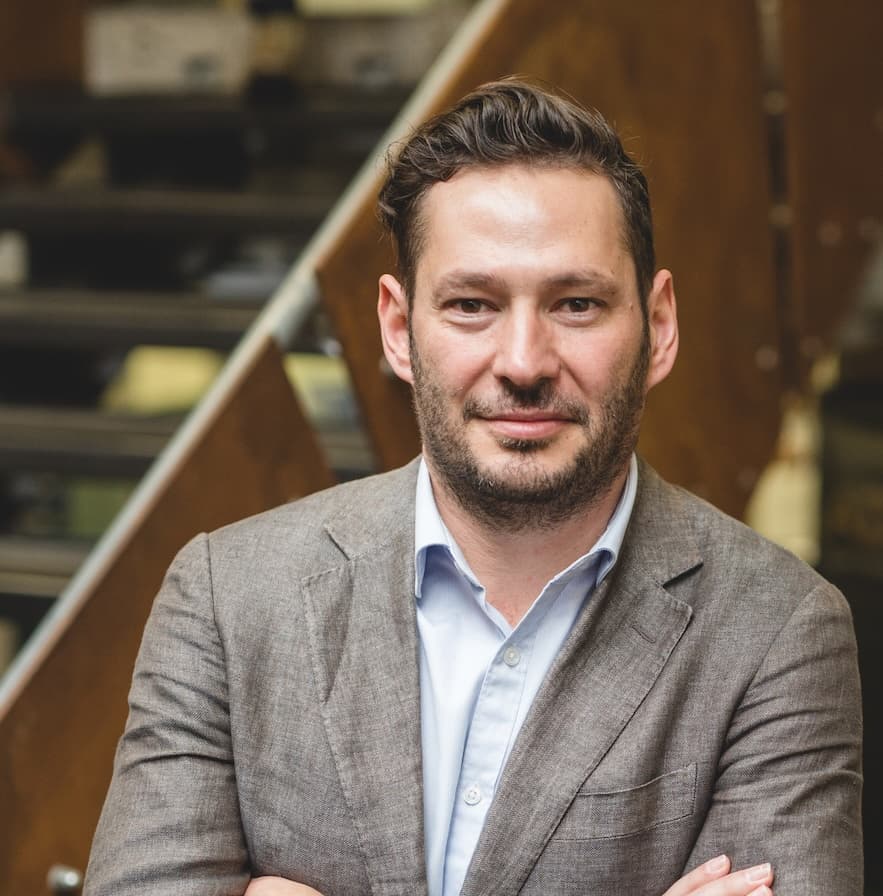
JB Thiebaut
Jean-Baptiste “JB” Thiebaut is CEO of Music Hackspace and Chordline Ventures. He holds a PhD in computer music from Queen Mary University of London and built a career bridging R&D, product, and community in music technology. He has led programmes and teams focused on creative coding and music technology education, supporting thousands of artists and developers to ship new tools, prototypes, and products. His work sits at the intersection of research, hands-on making, and ecosystem building across the global music tech community.
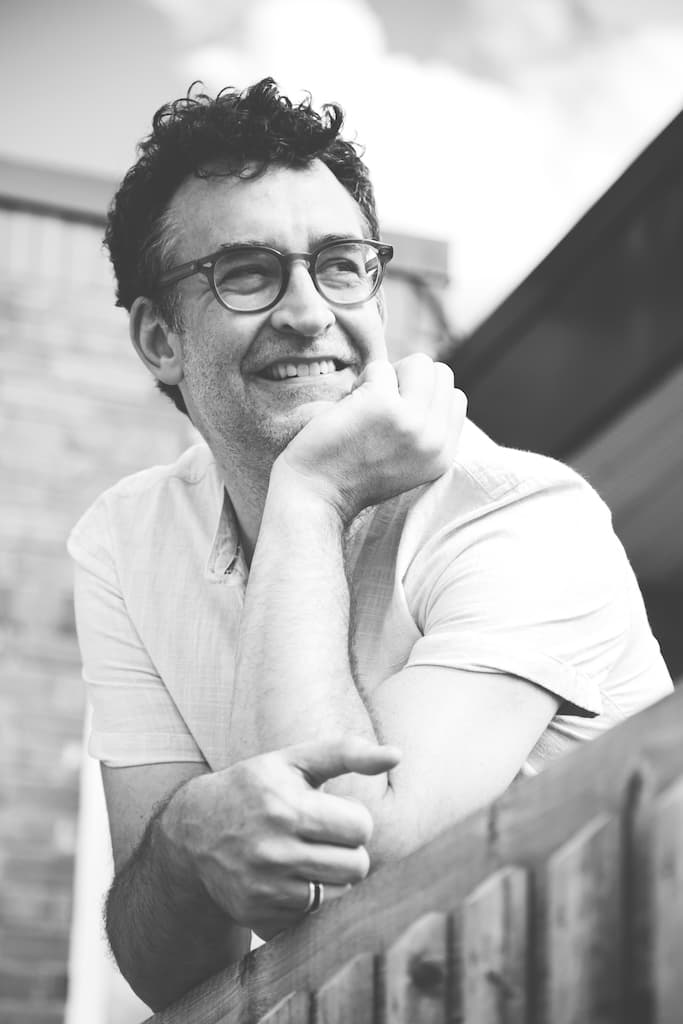
Vincent Lemieux
DJ, record dealer, MUTEK programmer, and co-founder of the Musique Risquée label, Vincent Lemieux is a consummate music lover known for his across-the-board contributions to Montreal's electronic music landscape. He has produced music for over 15 years, with releases and remixes spanning his solo work and his Flabbergast and Wetsuit projects. A DJ of impeccable, genre-spanning taste, he has performed everywhere from Montreal's mythical Soirée Risquée nights to Berlin's Panorama Bar, and across Chile, Mexico, Japan, Italy, France, London's Fabric, and beyond. Since 2000 he has helped shape the sonic and visual identity of MUTEK, now a key highlight on the international electronic music and digital arts festival circuit.
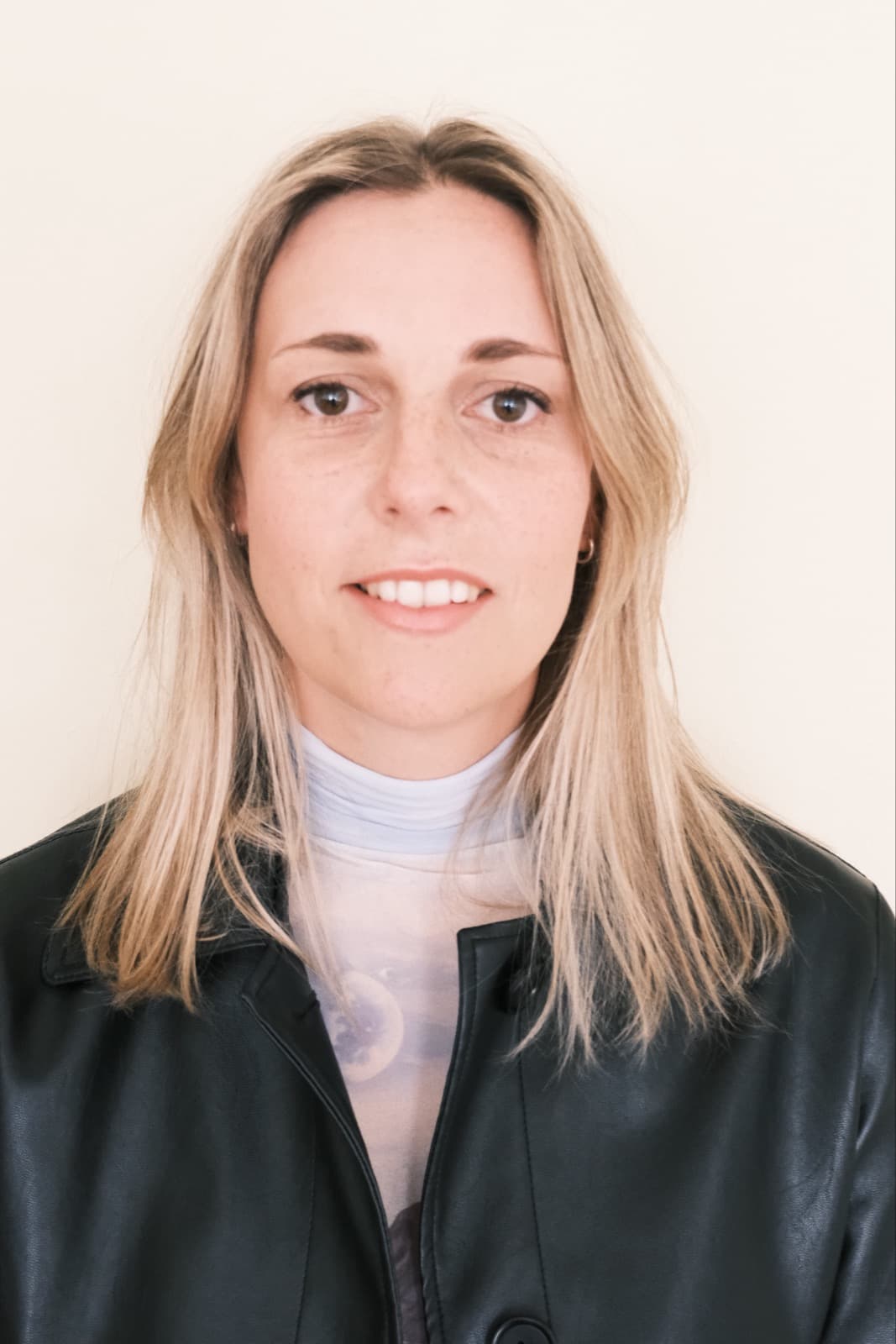
Justine Reverdell
Justine Reverdell is CEO of Elk, a Stockholm-based company building the operating systems and tools behind connected musical instruments. Before Elk, she worked at Deezer and Amuse on the product and data side of the music industry, always chasing the same question: how do you give more power back to artists. At Elk, she gets to answer that question in hardware, building tools that let musicians create without ever being tied to a laptop.
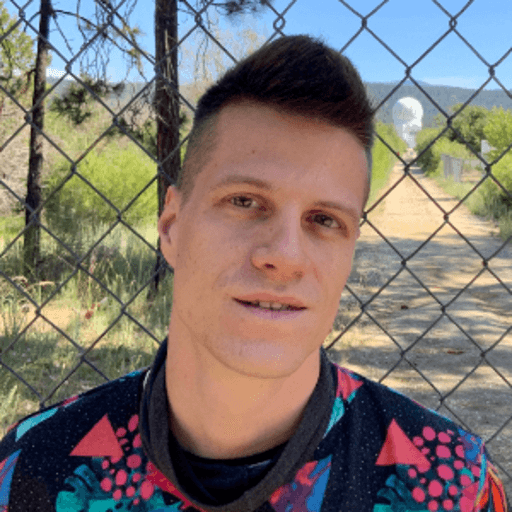
Zack Zukowski
Zack Zukowski is a Music Researcher at Stability AI and one half of Dadabots, a band and hackathon team that pioneered raw-audio neural networks for music. Their projects include a 24/7 AI death-metal livestream, and they compete annually in the AI Song Contest. A resident prompt jockey at the UN's AI for Good Summit, Zack is most excited by controllable, real-time music generation that steers models toward the music you actually want.
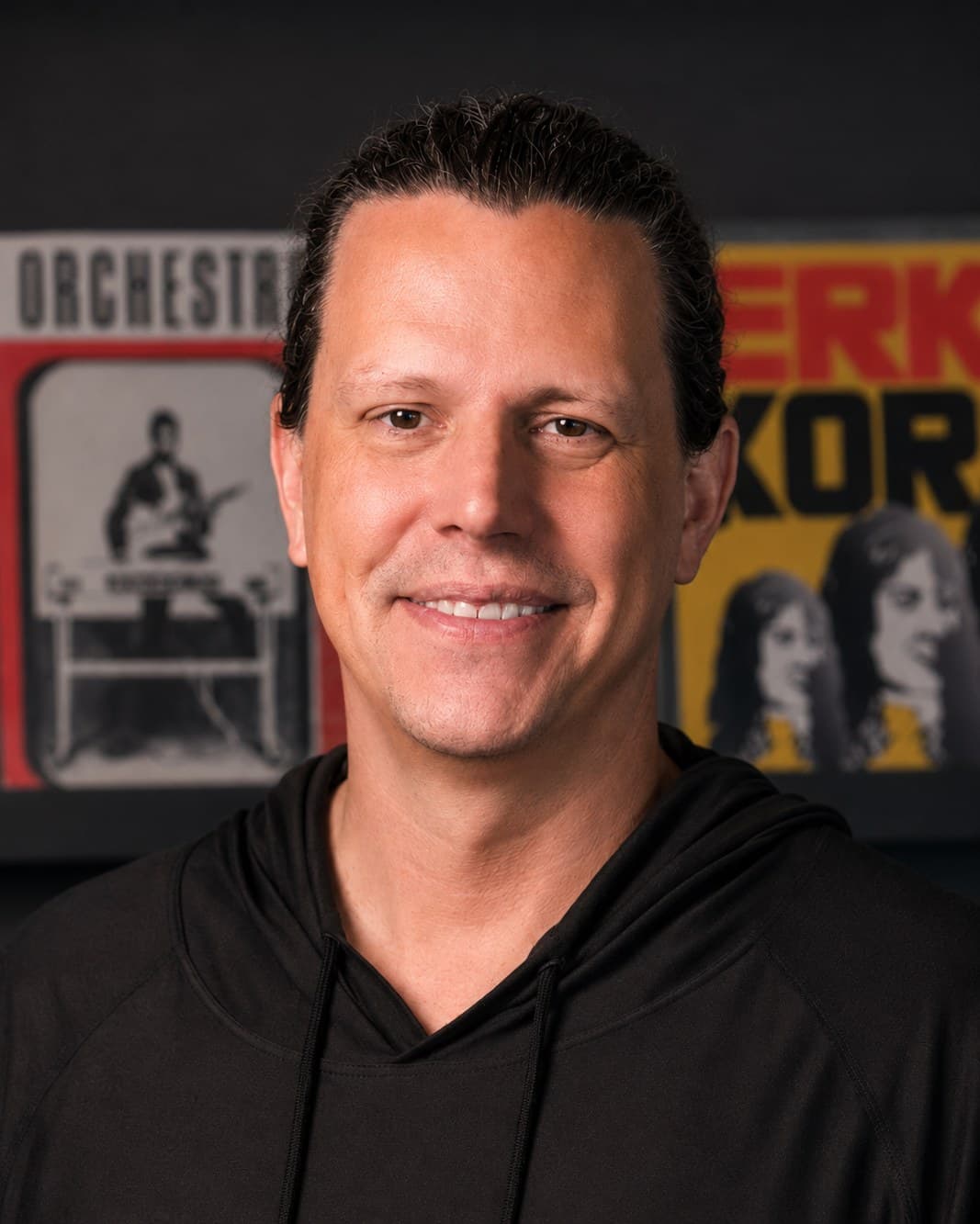
Daniel Rowland
Daniel Rowland is an audio engineer, producer, executive, and educator working at the intersection of music and tech. He holds bachelor's and master's degrees in music technology, currently teaches music production at MTSU, and has served as VP of Strategy and Partnerships at LANDR for 11 years, as a leading voice on AI in music.
He is credited on 3,100 label releases totalling 17 billion streams, including producing the music for the Oscar-winning Pixar short “Piper” with Adrian Belew, and mixing/mastering projects from Nina Simone, Thundercat, Jason Derulo, and Nine Inch Nails, to Star Wars, John Wick, and Marvel.
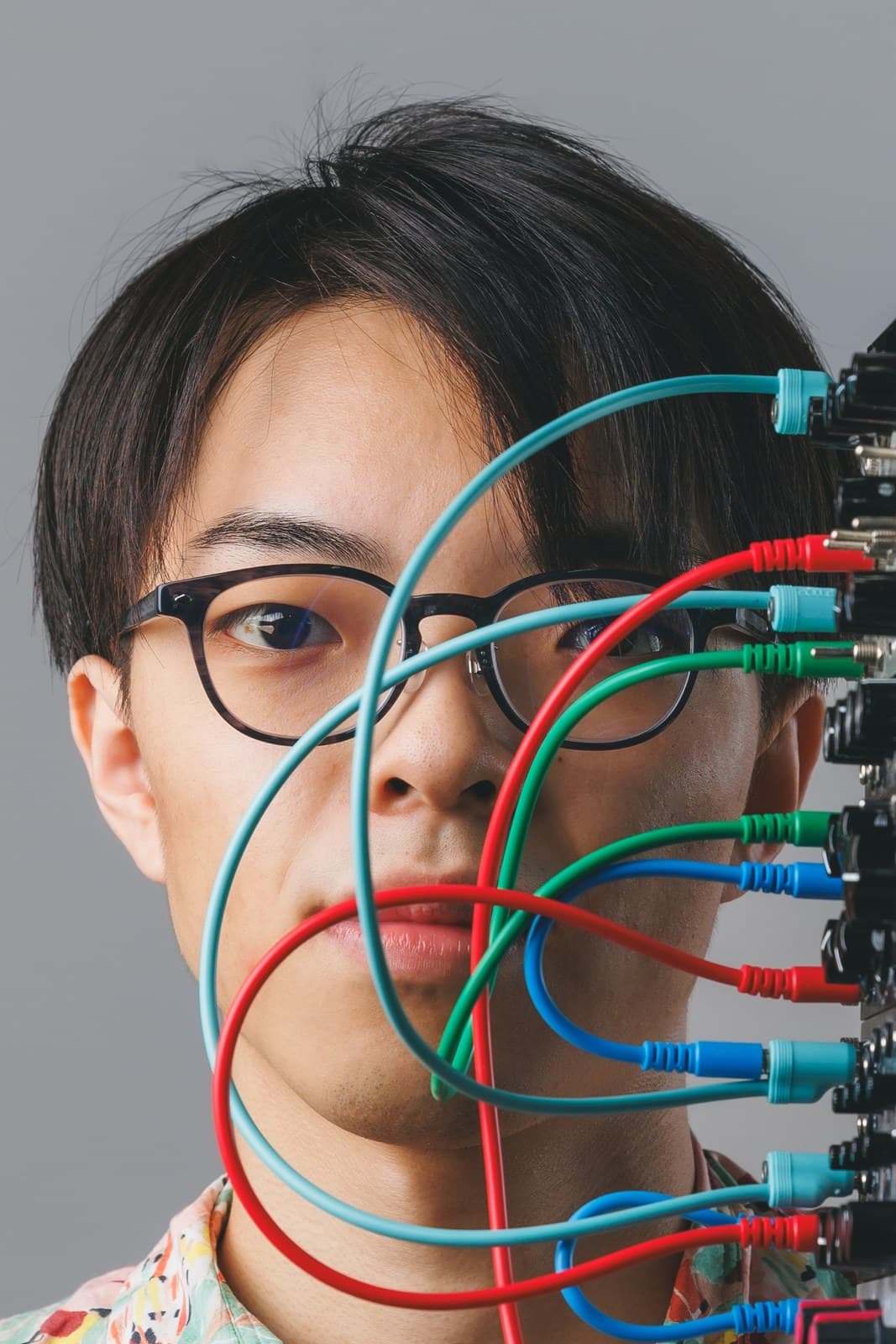
Taichi Kumon
Taichi Kumon is an engineer and researcher at Roland Future Design Lab. He holds a master's degree focused on combining artificial intelligence with modular synthesizers, exploring new forms of human–AI creativity through music technology. After joining Roland, he has been contributing to the development of Project LYDIA Phase 2 as a hardware and firmware engineer.
Please note: this hackathon is complete. Join another
Schedule at a Glance
The night before – Friday 21 August
- 6:00–10:00 PM — Welcome party at ADISQ (1679 rue Saint-Denis) — open to everyone, no hackathon ticket required. RSVP in the Welcome Party section below.
Day 1 – Saturday 22 August
- 9:00 AM — Doors open
- 10:00 AM — Welcome and introductions, including the challenge presentations from Andrew Huang and our sponsors
- 10:45 AM — Team formation and idea pitches
- 11:30 AM — Hacking starts for everyone, with mentor support
- 6:00 PM — Pizza for everyone
- 11:50 PM — Building closes, hacking stops for the night
Day 2 – Sunday 23 August
- 9:00 AM — Coffee and final hacking sprint
- 12:00 PM — Mentor check-in and polish phase
- 3:00 PM — Documentation and presentation prep
- 4:00 PM — Team presentations
- 5:30 PM — Jury deliberation
- 6:00 PM — Winners announcement and closing
The hackathon takes place at PHI, 407 Rue Saint-Pierre. Times are indicative and may shift slightly on the day. All times are in Eastern Time (ET), the local Montreal timezone.
Welcome Party
Kick things off with us the night before the hackathon. Grab a drink, meet the team, and say hi to the Montréal music-tech crowd.
Everyone's welcome — you don't need a hackathon ticket to come along.
- 🗓️ When: Friday 21 August 2026, 6:00–10:00 PM (Eastern Time)
- 📍 Where: ADISQ, 1679 rue Saint-Denis, Montréal
- 🎟️ Cost: Free — no ticket required.
Code of Conduct
We are committed to a welcoming, inclusive, and harassment-free environment for everyone taking part in the hackathon.
Please read and follow our Hackathon Code of Conduct.
Intellectual Property (IP)
Who owns what you build
We want teams to build boldly, and we want this to be clear from day one:
- Your team keeps 100% ownership of what you create during the hackathon.
- Music Hackspace, MUTEK, and sponsors do not take ownership of your project IP.
- You're free to continue developing your project after the event (open-source it, commercialise it, publish it, etc.).
Using sponsor APIs, SDKs, or tools
Many teams will use sponsor-provided APIs or developer platforms. That's welcome — just keep in mind:
- You still own your project code, design, content, and ideas.
- Your use of a sponsor's API or SDK is subject to that sponsor's licence and terms of use.
- This means your project may depend on that sponsor technology for some features (for example API access, usage limits, commercial terms, attribution requirements).
In simple terms: you own what you build; sponsors own their platforms. If you want to ship your project beyond the hackathon, check the relevant sponsor terms first.
Team contributions
- By joining a team, participants agree that team members can use and present the shared hackathon project or demo.
- If your team plans to continue after the event, we strongly recommend agreeing in writing on ownership splits, licensing, and future use.
Organiser

Partners
This event is organised in partnership with MUTEK, an international organisation dedicated to the dissemination and development of digital creativity in music, art, and technology.
Sponsors
Platinum Sponsor
Gold Sponsor
Silver Sponsors
Special thanks to our sponsors for making this hackathon possible. See the Challenges section above for full details on each track.